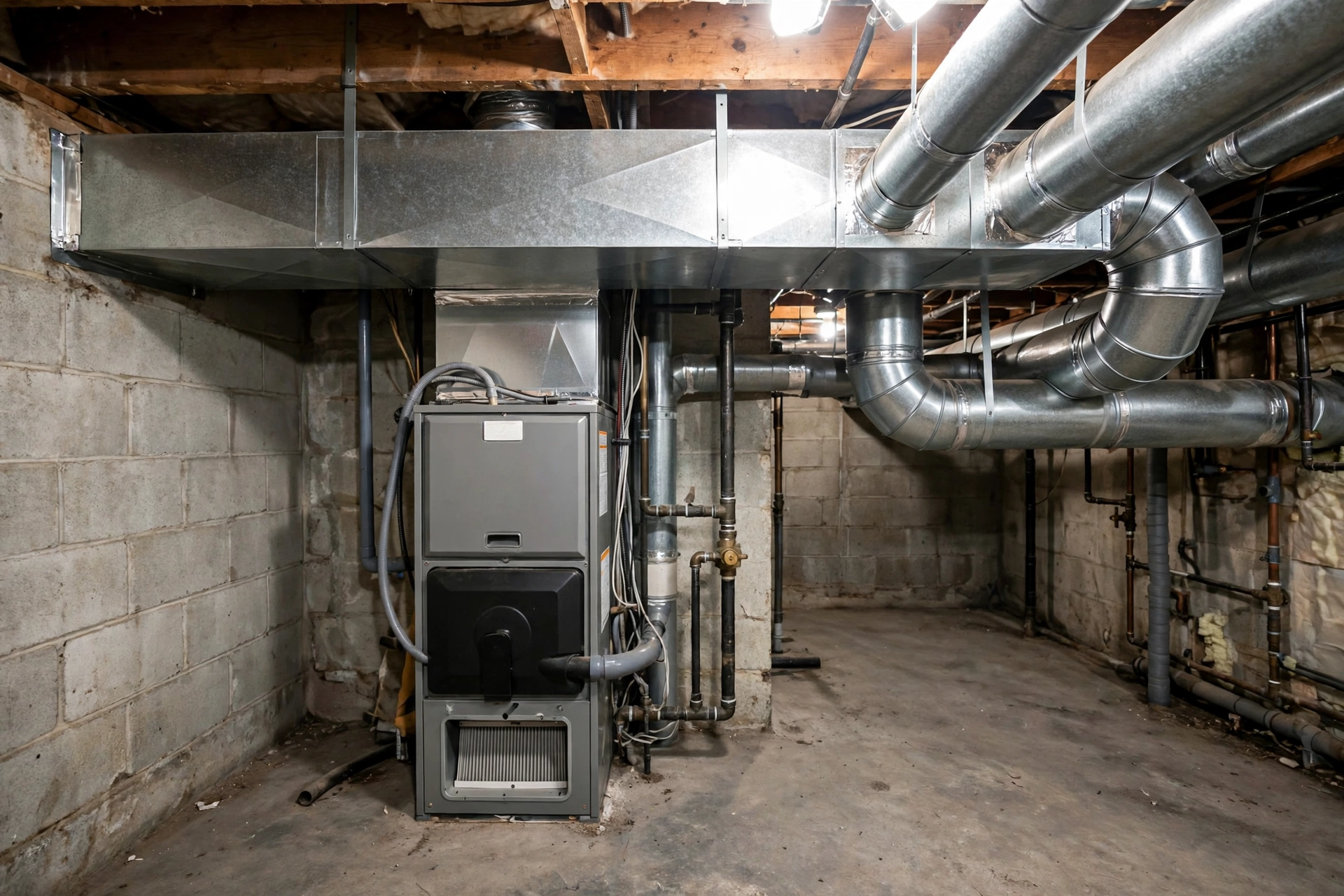
Furnace Repair in Claremont, NH
Claremont is the largest city in Sullivan County, a former mill city on the Sugar River near the Connecticut River in western New Hampshire, with a downtown centered on Washington Street and Pleasant Street, a historic Opera House in City Hall, and brick mill buildings that recall the city's industrial past. The housing around that center holds worker homes, multi-family houses, and village style neighborhoods built for mill families, while the edges of the city hold midcentury homes and newer properties along the routes toward Newport, Charlestown, and the Upper Valley. That range gives Claremont a heating story rooted in mill history and shaped by the river valley setting.
Serving Claremont, NH 03743
Winters in Claremont are long and cold, with freeze and thaw cycles that stress furnaces, ductwork, and venting, and with river valley cold that settles on still nights. Heating oil is common in the older housing, while natural gas and propane serve many other homes, and fuel often varies by neighborhood and by the era the house was built. Older mill era homes add drafts, modest insulation, and additions layered over decades, so a furnace that runs well in one room can still leave another cold, and the fix often lies in airflow and ductwork as much as in equipment.
Granite State Furnace Pros serves Claremont with furnace repair, replacement, and maintenance, beginning each visit with the home itself: its age, its additions, its ductwork, and the rooms that struggle. Technicians explain what they find plainly, separate equipment faults from duct or building causes, and set out options that fit the household, whether that means a repair, a maintenance rhythm, or a replacement sized to the house as it stands. From downtown to the city edges, the goal is steady warmth through the Claremont winter.
Sugar River Mill District Homes in Claremont
The Sugar River powered Claremont's mills, and the mill district and downtown neighborhoods still hold the brick buildings, worker housing, and multi-family homes that grew around that industry. These homes share heating traits with mill housing across New Hampshire: dense streets, older windows, ductwork fitted into tight basements and narrow chases, and additions built over decades that pull air away from original rooms. A furnace serving a mill district home must move air through a layout shaped by history, and balancing that air across rooms with different exposures is often the central task of a service visit.
Mill district homes also carry layered fuel and equipment histories, with systems added, extended, or replaced piecemeal as owners finished rooms or changed fuels. A careful technician reviews the whole picture before recommending anything: furnace age and condition, burner or ignition health, duct layout, register placement, and thermostat location. That review prevents the familiar disappointment of a new furnace connected to old duct problems, and it gives homeowners a clear account of what will actually improve comfort in their particular house.
- Brick mill buildings and worker housing along the Sugar River
- Tight basement ducts and additions pulling air unevenly
- Whole home review before any equipment recommendation
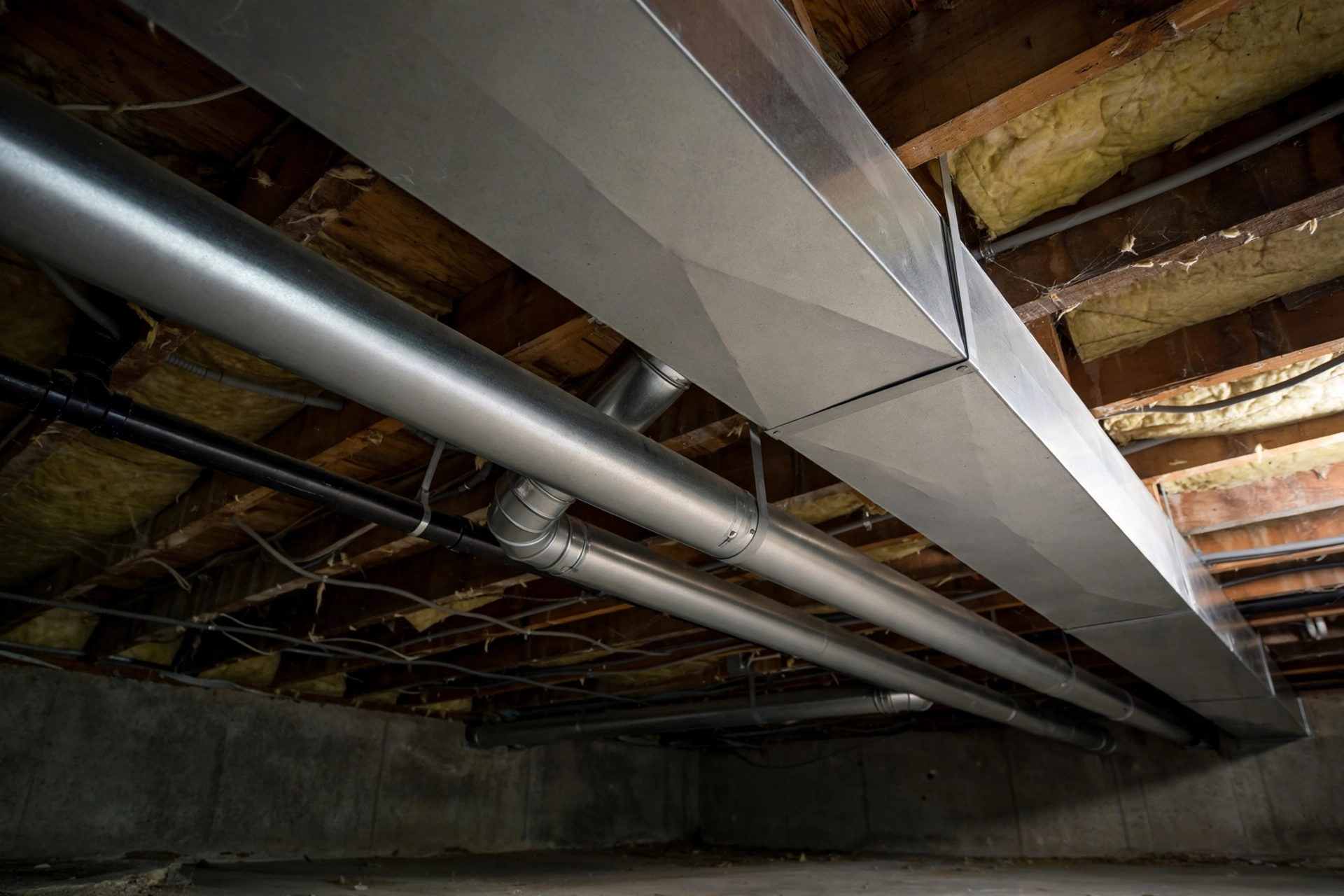
Downtown Claremont Streets and Older Residential Blocks
Downtown Claremont centers on Washington Street and Pleasant Street, with the Opera House and City Hall anchoring a commercial core surrounded by older residential blocks. The homes on those blocks range from single family houses to multi-family properties, many of them built for mill era families and updated in stages since. Their heating systems reflect that staged history, with ductwork extended for finished rooms, thermostats placed where hallways rather than living rooms dictate temperature, and furnaces that have served through many western New Hampshire winters.
Service for downtown residential blocks focuses on the practical realities of older city housing: access to basement mechanical areas, duct paths that cannot be rerouted around structure, and fuel delivery in homes where tanks and lines have served for years. Oil burner care, fuel line checks, and venting reviews are routine parts of maintenance for these homes, alongside ignition and safety checks that apply to every fuel. When replacement comes up, sizing to the current home and matching fuel and venting to the property keeps the new system dependable for years to come.
- Washington Street and Pleasant Street residential blocks
- Staged updates with extended ducts and relocated living spaces
- Oil burner, fuel line, and venting care for long serving homes
River Valley Cold Nights in Claremont
Claremont sits in the Sugar River valley near the Connecticut River, and valley geography shapes its winter nights, with cold air settling low on still, clear evenings and homes along the valley floor feeling the season sharply. A furnace must recover quickly on cold mornings after such a night, and any weakness in ignition, airflow, or fuel delivery shows up precisely when the household needs heat most. Freeze and thaw cycles add strain through the season as well, working on seals, joints, and ductwork while temperatures swing between cold nights and milder days.
Valley winters reward steady maintenance habits: a yearly inspection before sustained cold, clean filters through the season, and attention to vents and fuel delivery before problems surface. Homeowners who note which rooms cool fastest on still nights give technicians valuable clues, since valley cold often exposes duct imbalance and heat loss patterns that milder weather hides. A furnace maintained for valley winters runs more steadily, recovers faster on cold mornings, and signals aging parts earlier, while there is still time to plan.
- Valley cold settling low along the Sugar River on still nights
- Cold morning recovery testing ignition, airflow, and fuel delivery
- Freeze and thaw strain on seals, joints, and ductwork
Claremont Family Homes on the City Edges
Beyond downtown and the mill district, Claremont holds family neighborhoods of midcentury ranches, split levels, and newer homes along the routes toward the surrounding Sullivan County towns. These homes generally offer easier furnace access and more conventional duct layouts, but they still produce cold rooms through long ranch floor plans, split level temperature layers, and finished lower levels added after the heating system was sized. A furnace can run correctly while still leaving far bedrooms or a lower level uncomfortable, and a good service visit distinguishes duct and balance causes from equipment causes before recommending a fix.
Family neighborhoods also bring daily rhythms that shape heating demand, from school mornings to workdays to evenings at home, and a maintained furnace with sound airflow and a sensibly placed thermostat handles those shifts better than a neglected one. Regular filter changes keep dust and strain down through the long season, and a yearly maintenance visit keeps ignition and safety controls ready. When replacement time arrives, sizing to the present home, including finished spaces and additions, and matching fuel to the property gives the household a system built for its actual life.
- Midcentury ranches, split levels, and newer edge homes
- Finished lower levels measured against original heating sizing
- Daily household rhythms factored into service advice
Repair or Replace Decisions for Aging Claremont Furnaces
Claremont homes hold many aging furnaces, and the repair versus replacement decision for those units should rest on honest factors: age, repair frequency, fuel use trends, room comfort, and duct condition. A younger furnace with a single failed part is usually worth repairing, while an aging unit with repeated breakdowns, especially across recent winters, is often a better replacement candidate. Duct condition belongs in that discussion, since a new furnace connected to leaky or undersized ducts inherits the old comfort problems, and addressing ducts alongside equipment is often the difference between a satisfactory replacement and a disappointing one.
Planning ahead makes the decision easier and the outcome better. A maintenance visit is a natural moment to ask about the furnace's condition and outlook, to discuss fuel options and duct improvements, and to consider timing while the old unit still runs. Scheduling a replacement in mild weather allows careful sizing and any duct or venting work without the pressure of a home without heat. Granite State Furnace Pros encourages that early conversation for Claremont homes with aging systems, so replacement arrives as a planned project rather than a midwinter crisis.
- Age, repair frequency, fuel trends, and room comfort weighed together
- Duct condition included in every replacement discussion
- Mild weather planning for a calmer, better fitted installation
Claremont and the Western New Hampshire Corridor
Claremont furnace service centers on downtown, the mill district, and the residential blocks around Washington Street and Pleasant Street, and reaches toward the surrounding Sullivan County communities along Route 11, Route 103, and Route 12A, with the Connecticut River valley linking the city to the Upper Valley to the north. The housing along those corridors shares the western New Hampshire winter reality: long cold months, valley cold, older mill era homes, and furnaces that must perform reliably for much of the year. The Sugar River, the mill buildings, and the Opera House downtown tie that service area together into a single community story.
That corridor position means Claremont technicians see the full range of western county housing, from dense downtown streets to village style neighborhoods to rural edge properties. The service approach stays consistent across that range: diagnose the home, explain the options plainly, and maintain or replace the system with the household's real needs in view. Through the long Sullivan County winter, that consistency is what keeps Claremont homes warm.
- Downtown, the mill district, and Washington Street blocks
- Residential neighborhoods toward the city edges
- Surrounding Sullivan County towns along Routes 11, 103, and 12A
Claremont Furnace Tune Ups for River Valley Winters
A furnace tune up in Claremont answers to the Sugar River valley setting, where cold air settles on still nights and mill era homes face long western New Hampshire winters. The visit cleans and inspects burner and ignition components, tests safety controls, measures airflow, and reviews ductwork, with particular care for the mill district and downtown residential blocks, where duct paths run through tight basements, additions layered over decades pull air unevenly, and fuel delivery components have often served for many years. Oil burner cleaning and fuel line checks join the standard pattern for oil heated homes, while venting and safety reviews apply to every fuel type in the city.
Homeowners in Claremont get the most from a tune up when it happens before sustained cold, since a worn part or a duct leak found in mild weather can be handled calmly, while the same fault during a valley cold snap becomes an urgent repair. Notes about rooms that cool fastest on still nights are especially valuable here, because valley cold exposes duct imbalance and heat loss that milder weather hides, and regular filter changes keep airflow strong through months of steady running. Keeping the furnace area clear and accessible, and mentioning new noises or smells from the last heating season, helps the technician move from general inspection to the specific cause quickly.
Across winters, Claremont tune up records build a history that supports the city's many owners of aging furnaces, showing which parts have worn, how ductwork has aged, and when a unit is moving toward retirement. That history turns the repair or replacement question from a guess into an evidence based conversation, and it allows replacements to be planned in mild weather, sized to the present home, and paired with any duct or venting work the house needs. In a mill city where winter is long and valley cold is sharp, that steady preseason rhythm is the simplest protection a household can give its furnace.
Claremont homeowners sometimes wonder whether a tune up is needed when the furnace runs without obvious trouble, and river valley winters provide the answer. Cold air settling along the Sugar River on still nights exposes duct imbalance, weak ignition, and heat loss that milder weather conceals, so a visit that finds those issues in advance lets the household repair them calmly, with parts on hand and no pressure. Without the visit, the same issues tend to surface during a sustained cold stretch, when the house cools quickly and technicians across Sullivan County are at their busiest. Regular tune ups also build the record that aging mill era homes need most, since a furnace that has served for many years deserves decisions based on observed condition rather than guesswork. That record, kept year after year, turns furnace care from a source of winter anxiety into a settled habit.
- Mill district ducts and long serving fuel components reviewed each visit
- Still night cold rooms used as clues to duct imbalance
- Season over season records supporting planned replacement timing
Furnace Questions in Claremont?
Tell us what your furnace is doing and where you are, and we will help arrange the next step.
How much does furnace repair in Claremont cost?
In Claremont, repair scope and cost follow the fault found, the parts required, the age and fuel type of the furnace, and how accessible the unit is. Diagnosis comes first, and the repair and the reason for it are explained before work begins.
Do you service mill era homes in Claremont?
Yes, mill district and downtown mill era homes are a core part of Claremont service, including airflow balancing for layered additions and tight duct paths.
Why does my Claremont home feel colder on still nights?
Valley cold settles low on still nights, so homes along the valley floor feel sharper cold, and duct imbalance or heat loss that mild weather hides becomes obvious. A furnace and duct review can separate normal valley cold from a fixable problem.
How often should a Claremont furnace be maintained?
A yearly visit before the heating season is the usual rhythm, keeping ignition, safety controls, and airflow ready for months of steady running, with burner care included for oil furnaces.
Should I repair or replace my aging Claremont furnace?
That depends on age, repair frequency, fuel use, room comfort, and duct condition. A maintenance visit is a good moment to discuss the outlook while the old unit still runs, so replacement can be planned rather than forced.
What fuel types do you service in Claremont?
Heating oil, natural gas, and propane systems are all covered, with burner service for oil and safety and venting checks appropriate to each fuel.
Furnace Questions in Claremont, Answered
Not seeing your question? Request service and tell us what your furnace is doing.
Call (855) 625-1748