Furnace Repair
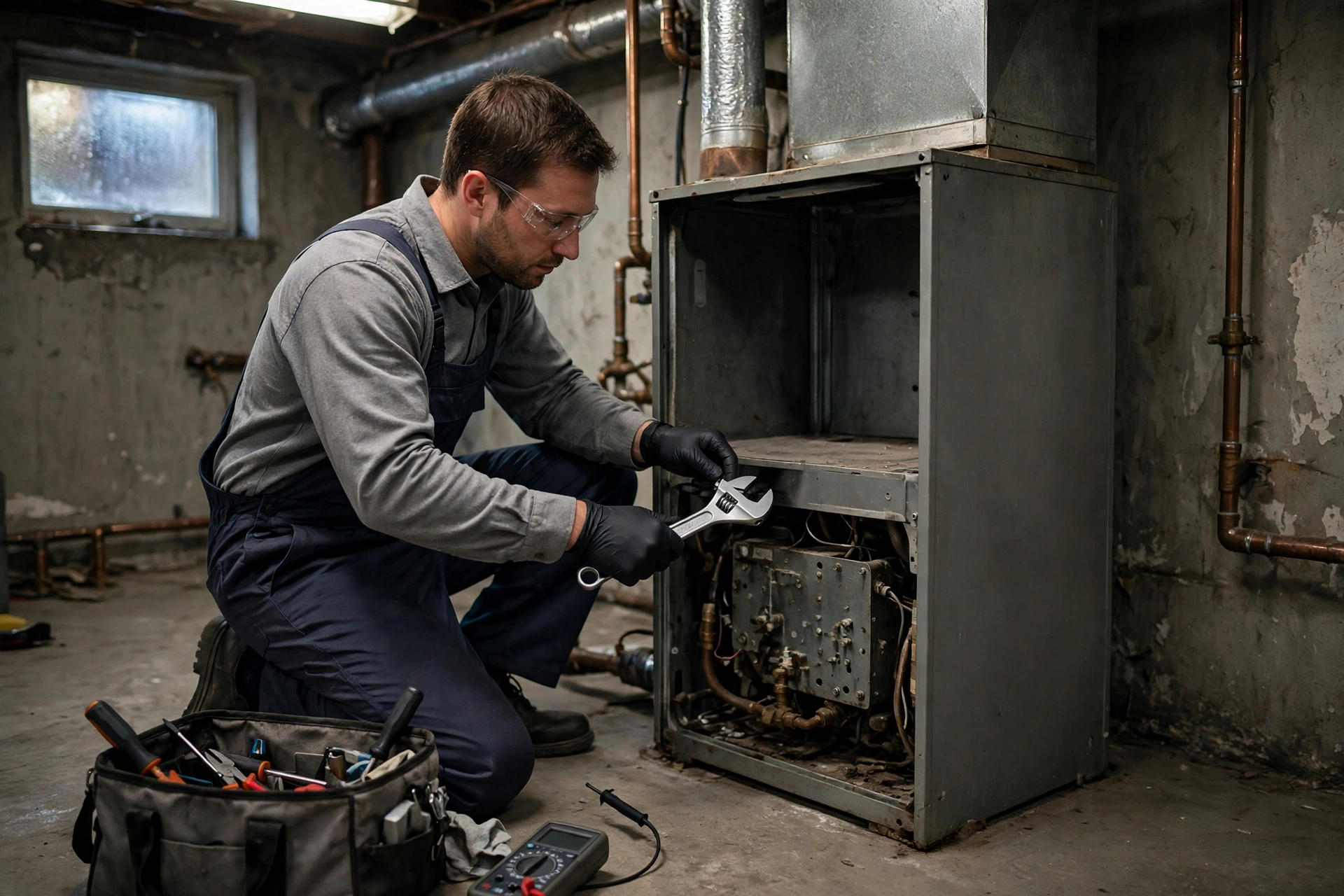
Furnace repair in New Hampshire covers diagnosis and repair of gas and oil furnaces that will not start, will …
Learn more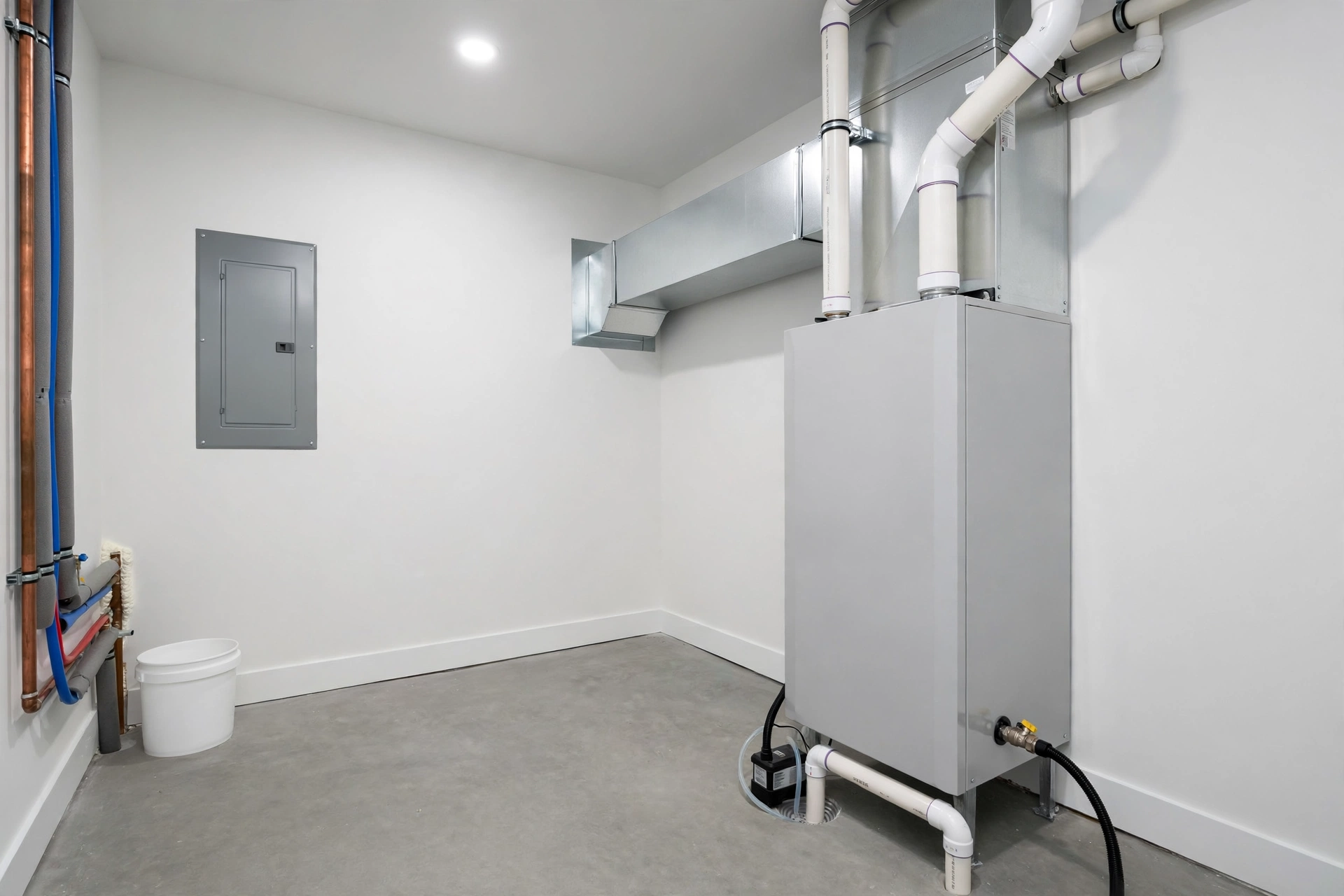
Replacing a furnace is one of the larger decisions a New Hampshire household makes about its home, because the new system must carry the house through long winters, damp shoulder seasons, and freeze and thaw cycles that test every joint and vent. A good installation starts long before the old unit comes out, with a careful look at house size, room layout, insulation, ductwork, and the fuel already serving the home. Heating oil remains common in many parts of the state, while gas serves other neighborhoods, and the right choice depends on what is available at the property, how the home loses heat, and how the household lives in each room.
Older New Hampshire housing adds character and complication in equal measure. Thick walls, small utility rooms, narrow stairways, stone foundations, and duct runs added in stages can all shape what fits, where venting can run, and how air reaches far rooms. An installation that ignores those realities may heat the main floor well and leave an upstairs bedroom cold, or it may cycle too often because the unit is too large for the duct system feeding it. Careful sizing and duct check prevent those outcomes and help the new furnace deliver even, quiet heat from its first winter onward.
Granite State Furnace Pros treats installation as a complete project, not a simple swap. The old furnace is removed with care for floors, walls, and remaining connections, the new unit is set level and secure, fuel and vent connections are made to suit the system type, and controls are set for the home rather than left at factory defaults. Testing then confirms steady ignition, clean burner operation, balanced airflow, and safe venting, so the household starts the heating season with confidence instead of a list of small problems to chase.
A furnace that needs frequent repairs, struggles to hold temperature on cold nights, or leaves the household anxious each winter may have reached a point where replacement serves the home better than another fix. Age alone does not decide the question, but a pattern of breakdowns, rising repair scope, and parts that are hard to source can turn a familiar system into an unreliable one. Households often notice the shift gradually, through louder operation, longer run times, uneven rooms, or a burner that needs attention several times in one season.
Replacement also makes sense when the home itself has changed. An addition, a finished basement, new windows, added insulation, or a renovated attic can all change how much heat the house needs and where that heat must go. A furnace sized for the original footprint may now short cycle or fail to reach new rooms, while a furnace sized for the new footprint can heat the whole home more evenly. Looking at repair history together with home changes gives a clearer picture than either factor alone, and it helps the household decide with facts rather than pressure.
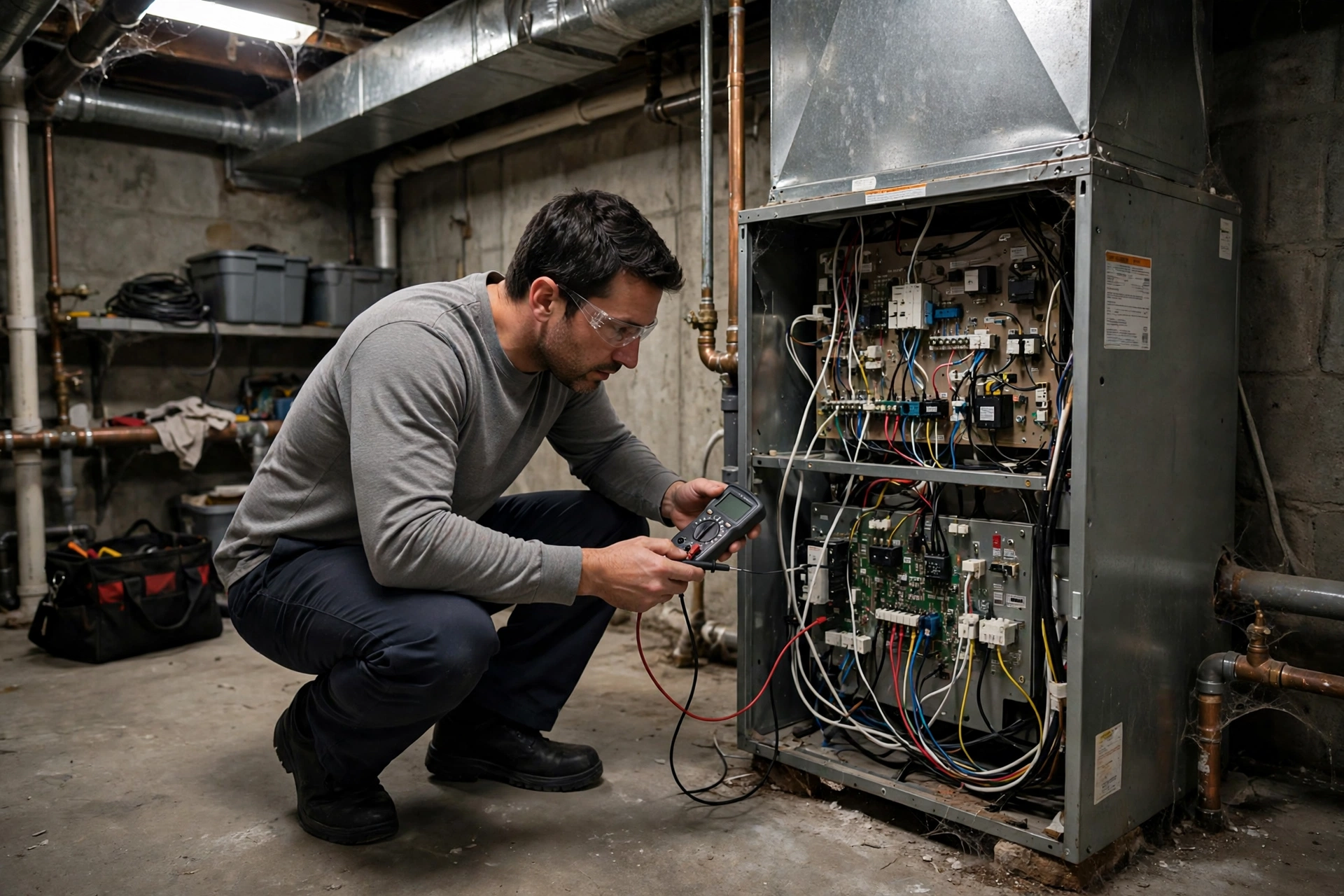
Correct sizing is the foundation of a good installation, and it depends on far more than floor area. Room volume, window size and placement, insulation levels, air leakage around older doors and foundations, and the length and condition of duct runs all affect how much heat a home loses on a cold night. A unit that is too large heats quickly, shuts down, and repeats that cycle all day, which wears parts, leaves rooms feeling drafty between cycles, and makes humidity and comfort harder to manage. A unit that is too small runs without rest and still falls behind when winter deepens.
Sizing work therefore begins with a walk through the home, room by room, noting which spaces feel cold, which vents deliver weakly, and where ductwork runs through unheated attics or basements. Fuel type matters here too, because oil and gas furnaces differ in venting needs, burner design, and the space they require. The selected unit should match the home's heat loss, the duct system's capacity, and the fuel serving the property, so the furnace, ducts, and controls work as one balanced system rather than three separate parts pulling in different directions.
Gas furnaces suit homes already connected to a gas supply, and they offer clean ignition, compact cabinets, and venting routes that fit many newer utility rooms. Oil furnaces remain a practical choice across much of New Hampshire, especially where gas lines do not reach, and modern oil units pair with existing tanks and fuel lines when those components remain sound. The decision often turns on fuel availability at the property, the condition of the tank and lines, venting options, and the layout of the utility space, rather than on a single feature of either system type.
Whichever fuel the home uses, the installation must respect New Hampshire winter realities. Vent terminations need clearance from snow buildup, combustion air must reach the burner without pulling cold drafts through living spaces, and fuel lines in unheated areas need protection from freeze and thaw stress. A thoughtful installer plans those details before the new unit arrives, so the household does not discover a venting or fuel problem on the first hard freeze after installation day.
Installation day begins with protection for floors and doorways, followed by safe shutdown of the old system, including fuel, power, and vent disconnection. The old furnace is removed in sections when stairways or doorways are tight, a common situation in older New Hampshire homes with narrow basement access. The new unit is then positioned, leveled, and secured, with attention to service clearance so future maintenance does not require moving the furnace to reach a filter, burner, or control board.
Connections follow in a careful order, starting with duct transitions that match the new cabinet to existing ductwork without sharp turns or crushed runs. Fuel connections are checked for leaks and proper flow, venting is assembled and sealed, electrical wiring is secured, and the thermostat is wired and programmed for the household's schedule and comfort preferences. Final testing runs the furnace through several complete cycles, checking ignition, flame quality, blower speed, vent draft, and temperature rise across the system, and confirming that warm air reaches every room served by the ductwork.
Households can make installation day smoother with a few simple preparations. Clearing a path to the utility room, moving stored items away from the furnace, and noting any rooms that always feel cold helps the crew work efficiently and focus on known trouble spots. It also helps to share the home's history, including past repairs, fuel delivery quirks, rooms added over time, and any damp or drafty areas near duct runs. Those details often reveal airflow or venting issues that a new furnace alone would not solve, and catching them during installation saves a return visit later.
After installation, the household should expect a short learning period with the new controls, including thermostat settings, filter location, and the sounds of normal startup and shutdown. Keeping the area around the furnace clear, changing filters on schedule, and noting any room that still heats unevenly during the first cold weeks helps confirm that the system settled in well. If a far room stays cold, that observation points to duct balancing rather than a furnace fault, and it can be addressed while the installation details are still fresh.
The first winter with a new furnace is a learning period for both the system and the household, as the unit settles into the home's real heating patterns. Rooms that once stayed cold should warm more evenly, startup sounds should feel consistent, and the thermostat should hold its setting without constant adjustment. Noting which rooms warm fastest and which still lag helps distinguish normal settling from a duct or balancing need, and sharing those notes early allows small corrections while installation details remain fresh in everyone's mind.
Household habits during that first season also shape long term performance. Keeping vents open and unblocked, changing filters on schedule, keeping the furnace area clear for service, and watching for new sounds or smells all support the new system. If snow blocks a vent, if a fuel delivery changes, or if a renovation alters a room, those events deserve a mention at the next service visit, because venting, fuel, and airflow all interact with the new furnace. A strong first winter usually means the sizing, duct, and vent decisions made at installation were sound.
Describe what your system is doing and we will help arrange the next step.
Sizing depends on heat loss, room layout, insulation, windows, and duct capacity, not floor area alone. A room by room check of the home and its ductwork gives a size that heats evenly without short cycling or running without rest in deep cold.
Switching fuel depends on whether gas service reaches the property, what venting routes are available, and the condition of existing fuel infrastructure. Those factors are checked during planning so the household understands what a fuel change would require before choosing.
Most straightforward replacements finish within a single working visit, while duct changes, vent rerouting, or fuel line work can extend the project. The scope is clearer once the old unit, duct transitions, and venting route have been inspected in person.
The old unit is disconnected safely, removed from the home, and handled according to local disposal practice for heating equipment. Floors and doorways are protected during removal, which matters in older homes with tight basement access.
Installation cost depends on home size, system type, fuel type, duct changes, venting work, and the scope of the project. A firm figure follows an in person check of the home, the existing system, and the work needed to install the new unit correctly.
A correctly sized furnace helps, but uneven rooms can also come from duct leaks, blocked vents, or rooms added after the original layout. Installation planning includes duct check so airflow problems are addressed alongside the new unit, not left behind.
Not seeing your question? Request service and describe what your system is doing.
Call (855) 625-1748Furnace repair in New Hampshire covers diagnosis and repair of gas and oil furnaces that will not start, will …
Learn more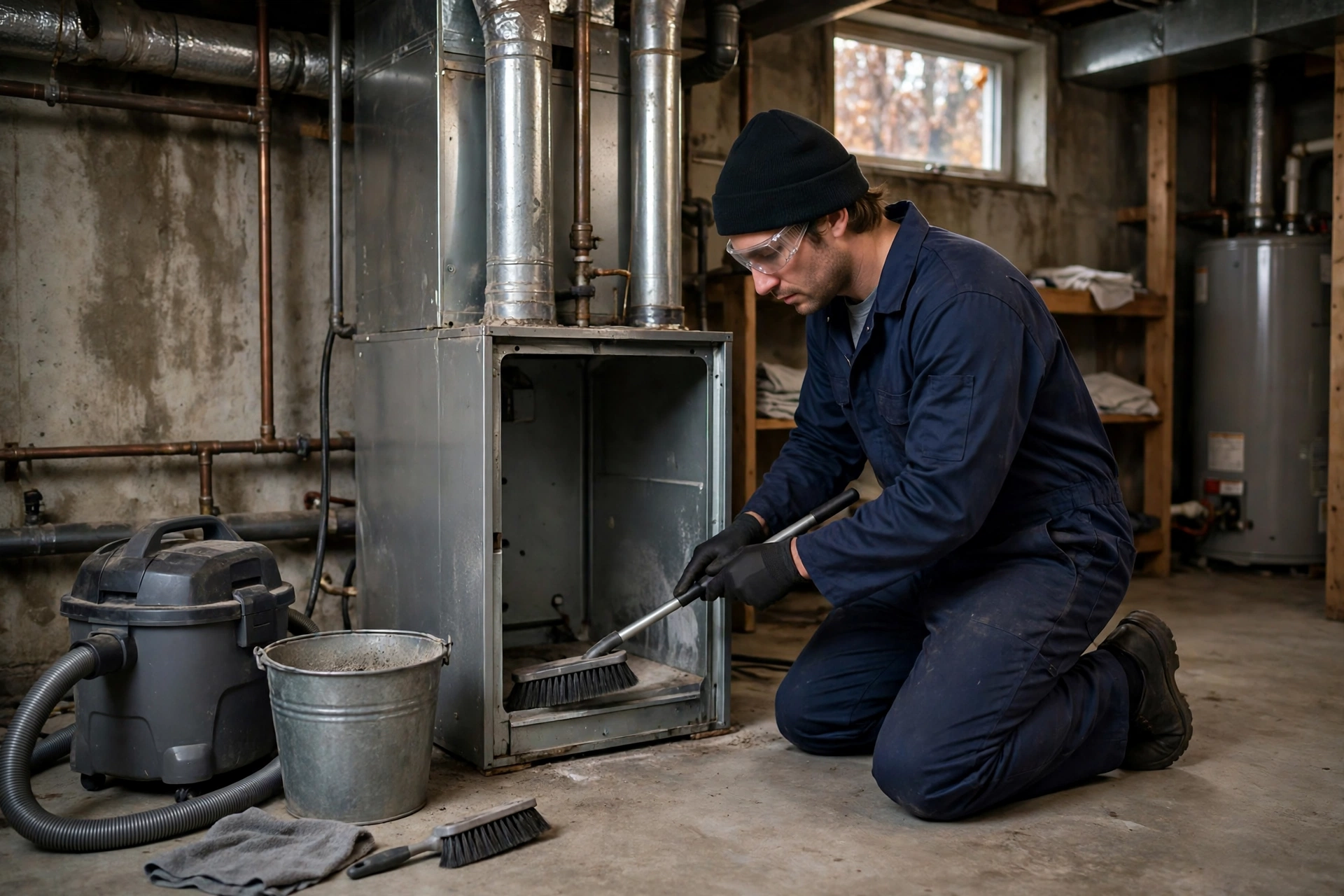
A furnace tune-up in New Hampshire is a seasonal inspection, cleaning, and testing visit for gas or oil furnac…
Learn more
Boiler repair in New Hampshire covers diagnosis and repair of hot water and steam boilers that serve radiators…
Learn more