Furnace Repair
Furnace repair in New Hampshire covers diagnosis and repair of gas and oil furnaces that will not start, will …
Learn more
Ductwork is the hidden half of a forced air heating system, carrying warm air from the furnace to every room through attics, basements, crawl spaces, and wall cavities. When ducts leak, disconnect, or crush, the furnace can run perfectly while rooms still feel cold, because much of its heat never arrives. New Hampshire homes are especially prone to duct trouble, with older runs added in stages, attic routes exposed to freeze and thaw cycles, and basement runs threaded around stone foundations, beams, and later renovations.
Leaking ducts waste heat in two directions at once. Warm supply air escapes into unheated spaces before reaching a bedroom, while leaky return runs pull cold attic or basement air into the system, forcing the furnace to heat air that should never have entered the ductwork. That pattern shows up as uneven rooms, dust near vents, longer furnace run times, and a house that feels drafty even when the furnace is running steadily. Sealing and repairing ducts addresses the delivery problem directly, rather than asking the furnace to overcome it by running harder.
Granite State Furnace Pros approaches duct work by inspecting the system as a network, from the furnace cabinet to the farthest vent. Joints, seams, transitions, and flexible runs are checked for gaps, disconnections, and damage, and airflow is tested room by room so repairs target the runs causing real loss. The result is warmer far rooms, steadier temperatures, less strain on the furnace, and a heating system that finally delivers the heat it already produces.
Supply duct leaks are easy to overlook because the lost heat disappears into spaces the household rarely visits. A gap at a joint in a cold attic, a disconnected run above a garage, or a seam that opened after years of vibration can spill warm air for an entire heating season without any visible sign inside living rooms. The household notices only the effect, with far bedrooms staying cold, the furnace running longer, and thermostat settings creeping higher in an attempt to compensate for heat that never arrives.
Return duct leaks cause a different but equally costly problem. When return runs pull air from a dusty basement, a cold crawl space, or an attic, that air mixes with indoor air and lowers the temperature of air reaching the furnace. The furnace then works harder to bring that mixed air up to comfort, and occupants may notice dust, odors, or damp smells at vents that trace back to the unheated space. Sealing both supply and return sides matters, because fixing only one side leaves the other side quietly undermining comfort and system strain.
Duct diagnosis starts with airflow and temperature checks at vents throughout the home, comparing strong vents near the furnace with weak vents in far rooms, additions, and upper floors. A large drop in airflow or temperature along a single run points to a leak, blockage, or disconnection in that branch, while weak airflow everywhere points more toward a furnace blower, filter, or main trunk problem. That room by room comparison prevents sealing work on runs that were never the cause and focuses repair where loss is actually happening.
Visual inspection follows, with attention to attic and basement runs where damage hides. Technicians look for separated joints, torn flexible duct, crushed sections where storage boxes pressed against a run, sagging runs that collect condensation, and old tape or sealant that dried and peeled away. Older New Hampshire homes often reveal several small leaks rather than one large break, and repairing those small gaps together produces a larger comfort improvement than fixing a single obvious joint while leaving the rest untouched.
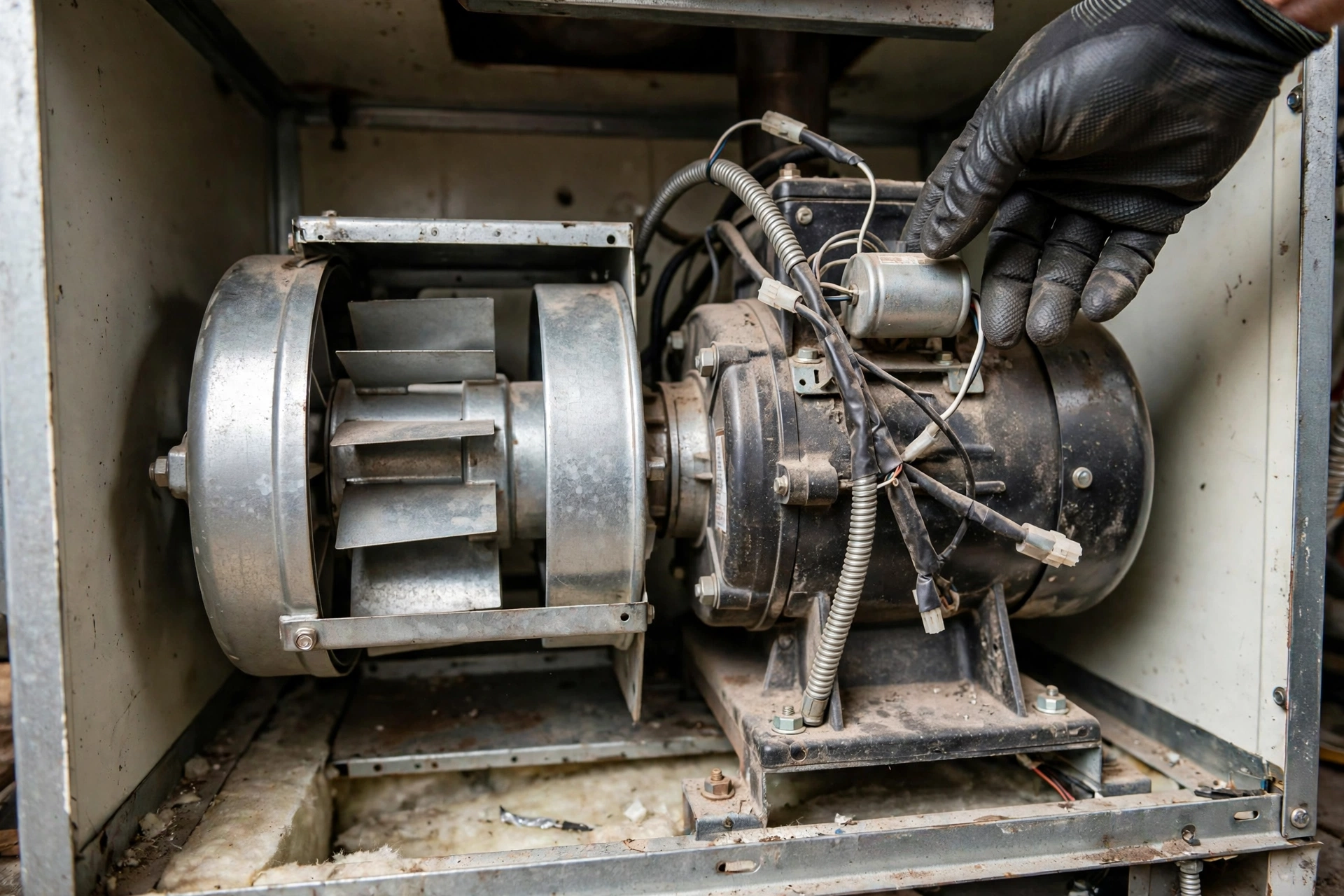
Sealing begins with mechanical repair, because sealant alone cannot hold a disconnected joint or support a crushed run. Disconnected sections are reconnected and secured, crushed flexible duct is replaced or rerouted, and sagging runs are supported so air flows freely without pooling moisture. Joints and seams are then sealed with durable materials suited to the duct type and location, replacing dried tape and cracked sealant that failed under years of temperature change in unheated spaces.
Attic ducts need particular care in New Hampshire, where freeze and thaw cycles, snow melt, and summer heat all stress joints and insulation. Sealed attic runs benefit from insulation that keeps warm air warm on its way to bedrooms, while basement and crawl space runs benefit from sealing that keeps damp, dusty air out of the return path. The goal in each location is the same, with a sealed, supported, and insulated run that delivers air at close to furnace temperature to the room it serves, even when the surrounding space stays cold.
Sealing ducts changes airflow patterns, so balancing follows repair rather than preceding it. Once leaks close, rooms that previously received little air may suddenly receive much more, while rooms near the furnace may overheat if dampers and registers are left as they were. Balancing adjusts dampers, registers, and sometimes branch sizing so each room receives air in proportion to its size, exposure, and heating need, with north facing rooms and rooms over garages often needing a stronger share than sheltered interior rooms.
Balancing is tested, not guessed, by checking airflow and temperature at vents after adjustments and listening to household feedback about rooms that still feel uneven. Older homes may need several small adjustments, because a room added decades after the original duct layout can behave differently from rooms on the original trunk. A balanced system feels calmer overall, with fewer hot and cold spots, steadier thermostat behavior, and a furnace that cycles normally instead of running long to satisfy a single cold room.
Renovations often create duct problems without anyone intending to. A finished basement may bury a duct joint behind drywall, an attic conversion may extend a run beyond its original capacity, and a new addition may tap into an existing trunk that was never sized for the extra rooms. Those changes leave the furnace serving a larger or differently shaped home through ductwork designed for an earlier footprint, and the result is predictable, with new spaces cold, old spaces overheated, and the furnace blamed for a delivery problem it did not create.
Repair planning for renovated homes therefore looks at the whole footprint, including which rooms were original, which were added, and where duct access remains. Sometimes the fix is sealing and balancing within existing runs, and sometimes it involves adding a branch, rerouting a run, or adjusting a trunk transition to serve the new layout properly. Explaining that distinction helps households understand why a simple seal may not cure a room added long after the duct system was built, and why a targeted duct change can finally make that room comfortable.
After duct sealing, the first sign of success is usually felt in far rooms, where vents that once delivered weak lukewarm air now deliver stronger warmer flow. The furnace should also satisfy the thermostat sooner, with steadier cycles and fewer long runs aimed at warming a single cold room. Households can test that change by comparing vent airflow and room temperatures before and after the work, paying attention to additions, upper floors, and rooms over garages, since those spaces reveal duct improvement most clearly.
Dust and odors at vents may also lessen once return leaks close, because less basement and attic air enters the system. If a room still feels cold after sealing, that result is still useful, because it narrows the remaining causes to balancing, branch sizing, or a room whose heating need changed after renovation. Sharing that observation allows a targeted balancing adjustment or branch change, rather than another round of sealing on runs that already perform well. Sealed ducts, balanced airflow, and a well maintained furnace together deliver the even heat the home was missing.
Describe what your system is doing and we will help arrange the next step.
Far rooms often suffer from duct leaks, disconnected runs, or long attic routes that lose heat before air arrives. A room by room airflow check shows whether the problem is duct delivery or furnace output.
Signs include weak vents in far rooms, dust or damp smells at vents, long furnace run times, and visible gaps or disconnected joints in attics and basements. A duct inspection confirms leak locations instead of guessing from symptoms alone.
Sealing return leaks reduces the amount of basement, attic, and crawl space air drawn into the system, which can reduce dust and odors at vents. Filter condition and vent cleanliness still affect indoor dust, but sealed returns remove a major entry path.
Sealed ducts often let the furnace satisfy the thermostat sooner, because warm air reaches rooms instead of escaping into unheated spaces. The change is usually steadier cycling and more even rooms, rather than a dramatic change in every home.
Duct work cost depends on home size, duct accessibility, the number of leaks or damaged runs, and the scope of sealing, insulation, or rerouting required. Attic and crawl space access can add work compared with open basement runs.
Most duct problems are repaired section by section, with joints resealed, damaged runs replaced, and airflow balanced afterward. Full duct replacement is usually reserved for systems with widespread damage or a layout that no longer matches the home.
Not seeing your question? Request service and describe what your system is doing.
Call (855) 625-1748Furnace repair in New Hampshire covers diagnosis and repair of gas and oil furnaces that will not start, will …
Learn more
Furnace installation in New Hampshire means selecting a correctly sized gas or oil furnace for the home, remov…
Learn more
A furnace tune-up in New Hampshire is a seasonal inspection, cleaning, and testing visit for gas or oil furnac…
Learn more