Furnace Repair in Peterborough, NH
Peterborough sits in Hillsborough County in the Monadnock Region of southwestern New Hampshire, along the Contoocook River and near the views and foothills that surround Mount Monadnock. The village center, with its Main Street shops, historic brick buildings, and river crossings, has long drawn artists, writers, and visitors, while residential streets nearby mix older village houses with mid century homes and newer properties on wooded lots. Route 101 and Route 202 connect Peterborough to surrounding towns, but the town itself keeps a walkable, small town feel that shapes how homes are lived in through winter.
Serving Peterborough, NH 03458
Homes in Peterborough often reflect that arts town character, with older houses that have been cared for and adapted over time, studios or workspaces tucked into a home, and additions that follow the slope of a lot or the line of the river. Heating such a home well means paying attention to rooms that serve different purposes, from a main living area used every day to a quieter workroom that needs steady warmth without overheating. Ductwork, register placement, and thermostat location all matter more in a house where rooms are used unevenly through the day.
Winters in the Monadnock Region are long and cold, with freeze and thaw cycles and snow that can linger in shaded valleys and on north facing slopes. Heating oil furnaces are common in Peterborough, alongside propane and other systems, and each needs regular cleaning and testing to perform through a full season. Our work here focuses on careful inspection, clear explanations, and furnace care that respects both the house and the way its owners live in it.
Arts Town Living and Older Homes in Peterborough
Peterborough homes often tell a story through their layout, with an original village house expanded by a sunroom, a rear wing, or a finished upper level that now serves as a bedroom or studio. Those additions can be wonderful living spaces, but they can also be hard to heat if ducts were extended as an afterthought or if insulation and windows differ from the main house. A furnace that heats the original core well may leave a newer wing cool, especially on windy nights when the addition faces open ground.
A thoughtful furnace visit looks at those differences room by room, noting which spaces are used most, which are kept closed, and which lose heat fastest. Checking duct runs to additions, looking for leaks or undersized runs, and reviewing return air paths can reveal why one part of the house feels different from another. Sometimes the fix is a matter of balancing airflow or clearing a blocked register, while other times it involves repairing a duct section or adjusting fan settings to move more warm air where it is needed.
Older Peterborough homes also benefit from attention to the furnace room and venting, particularly where basements have been partly finished or where equipment shares space with storage and work areas. Clearances, vent condition, and combustion air should be checked during routine service, and any sign of moisture, rust, or soot should be investigated rather than ignored. When those basics are sound, an older arts town home can remain comfortable and inviting through winter, with heat that supports daily life and creative work alike.
Monadnock Region Winters and Furnace Demand in Peterborough
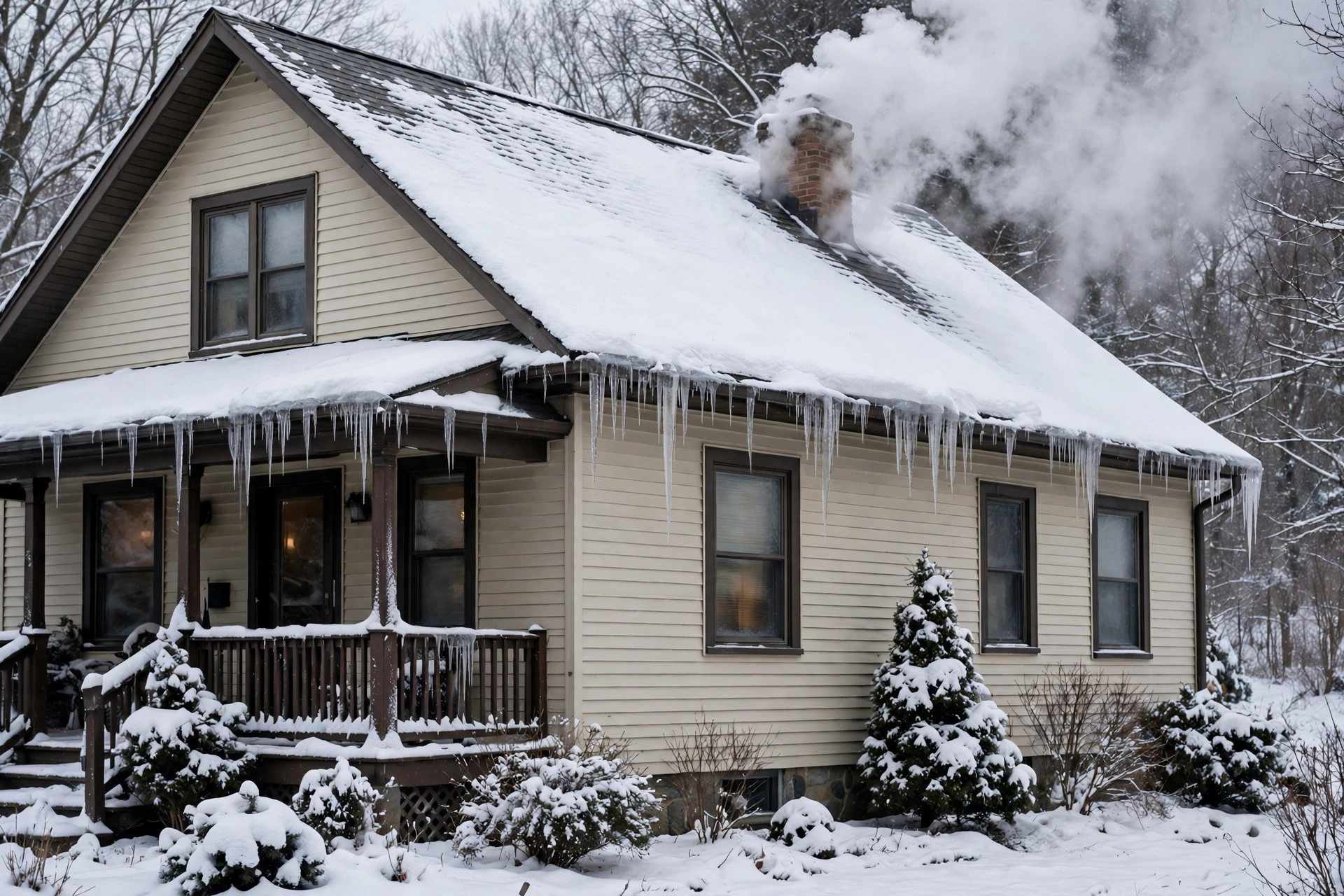
The Monadnock Region brings a particular kind of winter to Peterborough, with cold air settling in river valleys, snow accumulating on shaded slopes, and wind moving across open fields and ridgelines. A furnace here is not asked to handle a brief cold spell, it is asked to provide steady heat for months, through thaws that melt snow and refreezes that turn meltwater to ice. That long, uneven demand wears on burners, blowers, motors, and controls, and it rewards systems that are cleaned and tested before the season begins.
Homeowners often notice winter demand first as a house that takes longer to warm in the morning, or as a furnace that runs for longer stretches on the coldest nights. Those changes can be normal in deep cold, but they can also signal a dirty burner, a clogged filter, or airflow that is not reaching every room. Noting whether the problem appears on all cold nights or only on windy ones, and whether certain rooms are affected more than others, helps a technician separate a weather driven effect from an equipment problem.
Preparing for Monadnock winters also means thinking about vents and outdoor equipment after storms. Snow can drift against sidewall vents, ice can form on exhaust terminations, and debris can collect around intakes during a thaw. A quick check after heavy snow, combined with a fall service visit, reduces the chance of a safety shutdown on a cold night. In a region where winter lasts, that kind of steady preparation is more useful than waiting for a breakdown to force action.
Heating a Peterborough Home With Character and Drafts
Character and drafts often go together in Peterborough, where older windows, original doors, and varied construction can let cold air in even when the furnace is running well. A drafty front room, a chilly hallway near an exterior door, or a bedroom over a porch can all feel colder than the thermostat suggests, and homeowners sometimes respond by turning the heat higher for the whole house. That approach warms the drafty room a little, but it overheats the rest of the house and makes the furnace work harder than necessary.
A better approach starts with identifying where drafts and heat loss are worst, and then checking whether furnace distribution is making the problem better or worse. If a cold room also receives little warm air because its duct is small or its register is blocked, fixing airflow can help as much as sealing a draft. If a room receives plenty of warm air but still feels cold, the issue may lie more with windows, insulation, or air sealing, and a technician can explain that distinction honestly rather than suggesting a furnace repair that will not solve the real problem.
Simple steps inside the home can also improve comfort in a drafty older house. Keeping registers clear, using interior doors thoughtfully to manage airflow, and noting which rooms need attention on windy days all help a technician give useful advice. Over time, a combination of furnace care and modest home improvements, made at a pace that fits the household, can turn a drafty Peterborough home into a much more comfortable winter home without erasing its character.
- Note rooms that feel drafty only on windy days
- Check whether cold rooms also receive little warm air
- Keep registers clear and manage doors for airflow
Furnace Noises and Odors Peterborough Homeowners Notice
Furnace noises and odors are often the first clues that something needs attention in a Peterborough home, and they deserve to be taken seriously rather than dismissed as normal winter sounds. Banging or booming at startup can point to delayed ignition, rattling can suggest a loose panel or duct section, and squealing can indicate a worn blower part. Each sound has a different cause, and a technician can usually narrow it down by listening to when the noise happens and how long it lasts.
Odors require even more care. A dusty smell during the first few runs of the season often fades as dust burns off the heat exchanger, but a persistent burning smell, a fuel smell, or a musty odor near the furnace should be checked promptly. Fuel smells in particular should never be ignored, and the area should be ventilated while help is arranged. A technician can inspect fuel connections, the burner, and venting to find the source, rather than relying on air fresheners or simply waiting for the smell to pass.
Keeping a brief note of noises and odors, including when they start, whether they happen at startup or during a run, and whether they affect certain rooms, makes a service visit more productive. That note helps the technician reproduce the problem or at least understand its pattern, and it prevents a vague description from leading to guesswork. In older homes, where sounds can travel through ducts and floors, a clear pattern is especially valuable.
Getting a Peterborough Furnace Ready for a Long Winter
Getting a Peterborough furnace ready for a long winter is best done in fall, when service can be thorough and unhurried. A seasonal visit should cover burner cleaning and inspection, heat exchanger condition, ignition and safety controls, blower and motor operation, filters, and venting. For oil systems, fuel filter and nozzle care are central to clean combustion, while propane systems need careful checks of ignition, flame sensing, and venting. Each of those tasks contributes to steadier heat and safer operation through months of use.
Readiness also extends beyond the furnace itself to the rooms it serves. Walking through the house in fall to check registers, returns, and thermostat settings can reveal small problems before they become winter complaints. A register hidden behind a new piece of furniture, a return grille clogged with dust, or a thermostat set for a schedule that no longer matches daily life can all affect comfort. Fixing those details in fall is far easier than trying to diagnose them during a cold snap.
Finally, a winter ready home includes a simple plan for what to do if heat is lost. Knowing the location of the filter, the thermostat basics, and how to check outdoor vents after snow gives homeowners a calm starting point. It does not replace a technician visit, but it helps the household describe the problem accurately and stay comfortable while help is on the way. In Peterborough, where winter is long and snow is frequent, that preparation is part of good furnace care, not an extra.
Furnace Service That Respects a Peterborough Home
Furnace service in a Peterborough home should respect the house as well as the equipment, because many homes here contain original woodwork, artwork, studios, and spaces that owners care about deeply. A technician should work cleanly, protect floors and finishes where equipment must be accessed, and explain any work before it begins. That respect builds trust, and it also leads to better service, since a homeowner who feels comfortable is more likely to share useful details about how the house behaves.
Respect also means plain language. A homeowner should leave a visit understanding what was found, what was cleaned or repaired, and what may need attention later, without jargon or pressure. If replacement is mentioned, it should be presented as a discussion, with reasons tied to the condition of the system and the needs of the house, not as an urgent demand. Time to ask questions and consider options is part of good service, especially for a major household decision.
Over time, that approach creates a useful history for the home. Each visit adds to a record of service dates, parts replaced, and rooms that needed attention, which helps future technicians work more efficiently and helps owners plan. For a Peterborough homeowner who values both comfort and character, that steady, respectful relationship with furnace care is the best way to keep a home warm through many Monadnock winters.
Planning Ahead for Peterborough Furnace Repairs and Service
Planning ahead for furnace repairs in Peterborough starts with paying attention to small changes before they become large problems. A room that gradually grows colder, a furnace that sounds slightly different from last winter, or a system that cycles more often than it used to are all worth noting, even if the house still feels warm enough day to day. Sharing those observations during a routine visit gives a technician a head start on diagnosis and often leads to a simpler repair than waiting for a failure.
Peterborough homes, with their mix of older village houses, studios, and additions, benefit from planning that considers the whole house. A repair that fixes a burner problem but ignores a duct leak to an addition may leave the original complaint unresolved, while a repair that addresses both equipment and distribution is more likely to improve comfort. A good technician will explain how those pieces fit together, so the homeowner understands why a particular repair is suggested and what improvement to expect.
Timing also matters for planning. Fall is the best time to address known issues, since parts can be obtained and work scheduled without winter urgency. Homeowners who use fall to ask questions, review service history, and discuss future needs are better placed to make calm decisions, whether the next step is a repair, a follow up check, or a longer term replacement conversation. That unhurried pace is especially valuable for a major household system.
Finally, planning ahead includes household preparation for cold weather, such as knowing filter locations, thermostat basics, and how to check vents after snow. Those skills do not replace professional service, but they help a household stay comfortable while help is on the way and help the homeowner describe a problem accurately. In a Monadnock Region town where winter is long and snow is frequent, that combination of early attention, whole house thinking, and household readiness keeps Peterborough homes warmer and calmer through the season.
Furnace Questions in Peterborough?
Tell us what your furnace is doing and where you are, and we will help arrange the next step.
How often should a Peterborough furnace be serviced?
Annual service before heating season is a good routine, with oil burner cleaning and safety and venting checks included. A yearly visit helps catch wear before the long Monadnock winter.
Why does my addition stay colder than the rest of my Peterborough home?
Additions often have different insulation, windows, or duct runs from the main house. Checking duct size, airflow, and return paths can show whether heat delivery or heat loss is the main cause.
What affects the cost of furnace repair in Peterborough?
Repair scope depends on the part needed, furnace type and age, access, and whether ducts or combustion are also involved. An inspection allows the work to be explained before it is agreed.
Should I worry about a fuel smell near my furnace?
Yes, a fuel smell should be checked promptly, with ventilation while help is arranged. A technician can inspect fuel supply, burner, and connections to locate the source.
What furnace noises should Peterborough homeowners report?
Report banging or booming at startup, persistent rattling, or squealing, along with when each noise occurs. Those patterns help a technician narrow down the cause more quickly.
When is furnace replacement worth discussing in Peterborough?
Replacement is worth discussing when repairs recur, parts become hard to find, or comfort stays poor after service. Home layout, ducts, and fuel options shape the conversation.
Furnace Questions in Peterborough, Answered
Not seeing your question? Request service and tell us what your furnace is doing.
Call (855) 625-1748