Furnace Short Cycling Causes and Fixes in New Hampshire
Short cycling usually traces to restricted airflow, a thermostat problem, an oversized furnace, or a safety co…
Learn more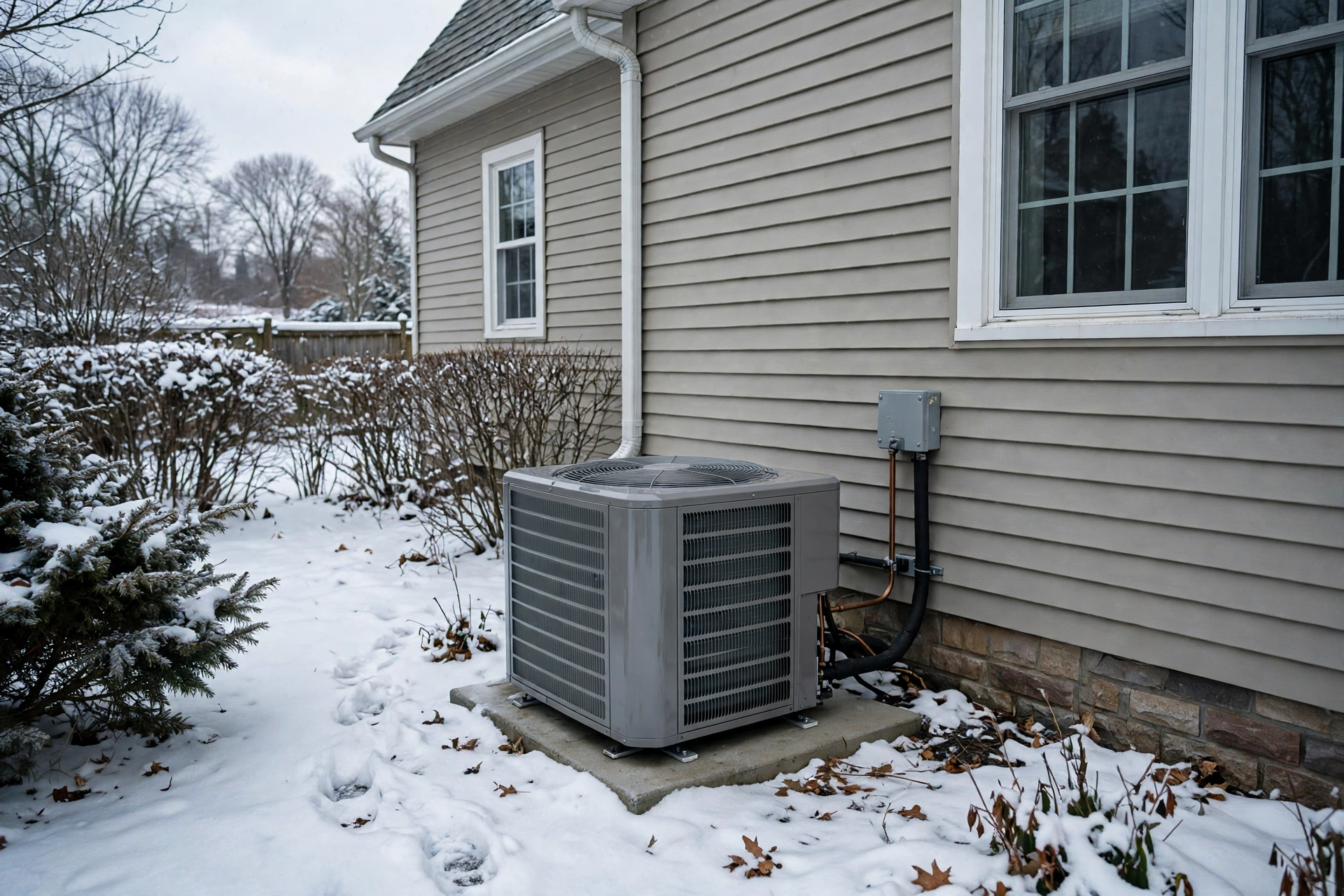
New Hampshire homeowners weighing a heating upgrade often find themselves choosing between a furnace and a heat pump, and the choice is not as simple as picking the newer technology. Both systems can heat a home well, but they do it in very different ways, and New Hampshire winters test those differences more than winters in milder states do.
A furnace creates heat directly, usually by burning oil or gas, and delivers it through ductwork as warm air. A heat pump moves heat rather than creating it, drawing warmth from outdoor air even in cold weather and moving it inside. That difference shapes how each system behaves on the coldest nights, how it fits your home, and what daily life with it feels like.
This guide compares the two systems on the points that matter most in New Hampshire: cold weather performance, fuel and ductwork needs, comfort, and fit for different homes. It will help you ask better questions and make a choice that suits your house rather than a generic recommendation.
A furnace is a heat maker. Its burner fires, a heat exchanger warms up, and a blower pushes that warmed air through ducts to the rooms of the home. The heat is strong and direct, and the system can raise indoor temperatures steadily even when outdoor weather is bitter, as long as fuel and power are available.
A heat pump is a heat mover. In heating mode, it absorbs warmth from outdoor air and transfers it inside through refrigerant lines to indoor units or ductwork. Even cold outdoor air holds some warmth to move, but the amount available falls as outdoor weather grows colder, which is why heat pump performance in deep cold deserves a closer look in New Hampshire than in a mild climate.
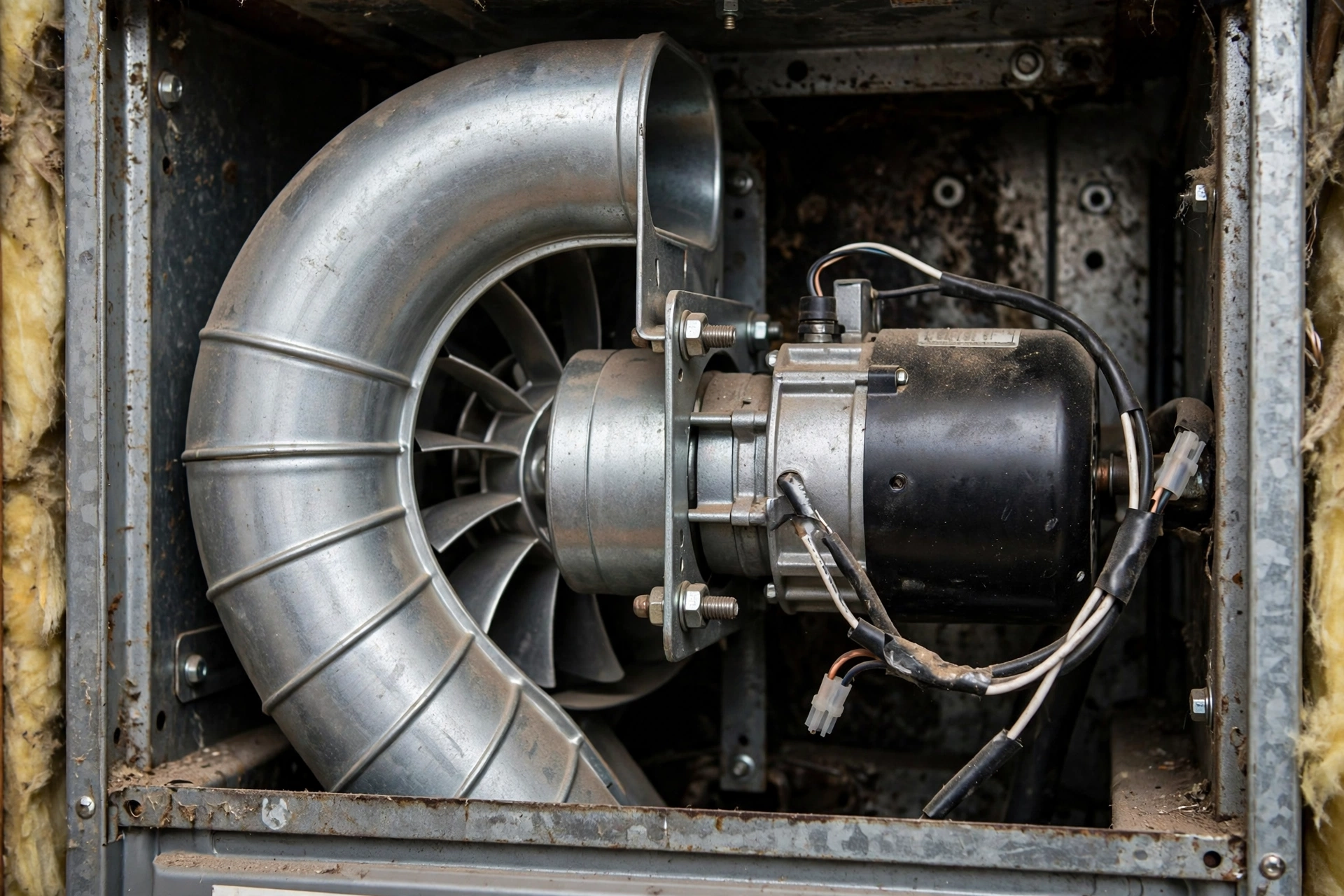
Cold weather is where the comparison sharpens. Furnaces are built for sustained cold and generally deliver strong, steady heat through long New Hampshire winters, including the coldest stretches in the White Mountains and the northern counties. Their output does not depend on outdoor air warmth, which makes them a reassuring choice for homes that face the harshest weather in the state.
Modern heat pumps designed for cold climates perform far better in winter than older models did, and many New Hampshire homes use them comfortably through much of the season. In the deepest cold, however, some heat pumps need backup heat or run for longer stretches to hold indoor temperatures, which is why many homes pair a heat pump with a furnace or another backup source rather than relying on one system alone.
Your home's existing setup shapes the choice more than any brochure does. A home with ductwork in good condition is a natural fit for a furnace, and often for a ducted heat pump as well. A home without ducts, such as a seasonal cottage in the Lakes Region or an older house with radiators, may suit ductless heat pump units that serve rooms individually, while a furnace would need new ductwork to be added.
Fuel availability matters too. Homes beyond the gas network often heat with oil, and switching fuels involves storage, lines, and delivery planning. A heat pump runs on electricity, which simplifies fuel storage but raises questions about electrical capacity and winter power reliability. Walking through these practical details with a technician gives a clearer picture than comparing systems in the abstract.
Daily comfort differs between the systems in subtle ways. Furnaces tend to deliver air that feels distinctly warm at the vent, with cycles of heating followed by quiet periods. Heat pumps often run longer and more steadily, delivering air that feels mild rather than hot, which some homeowners love for its evenness and others find less cozy at first.
Noise and control differ too. A furnace blower and burner have a familiar rhythm, while heat pumps involve an outdoor unit that runs through winter and indoor units that can be controlled room by room. For a seasonal home, room by room control can be a real advantage, letting you heat only the spaces you use. For a large family home with steady occupancy, the even whole-house heat of a furnace may feel more natural.
The right choice starts with your home, not with a technology preference. Consider your climate zone within the state, since the Seacoast, the Lakes Region, and the White Mountains do not face identical winters. Consider your ductwork, fuel options, insulation, and how you use the home through the year, including whether it sits empty for stretches in winter.
A hybrid approach is worth discussing as well. Many New Hampshire homeowners use a heat pump for much of the season and a furnace for the deepest cold, getting steady comfort in both mild and bitter weather. A technician who has seen your home, your ducts, and your current system can help you weigh that option against a single-system choice, and can size whichever system you choose so it heats evenly without short cycling or constant running.
Homes without ductwork are not limited to a furnace, and ductless heat pump units are a common answer in older New Hampshire houses, additions, and seasonal cottages. A ductless unit serves one room or a small zone, with an indoor head mounted on a wall and an outdoor unit that moves heat in or out. That room by room approach suits homes where adding ducts would mean tearing open plaster, floors, or finished spaces.
Ductless systems also change how you think about comfort, since each room can be set to its own temperature and unused rooms can be left cooler. That flexibility helps in a home where one wing is used daily and another only on weekends, or where a converted attic runs warmer than the rooms below. A technician can help you judge whether ductless units, a furnace, or a mix of both fits the way your home is actually lived in.
Read the guide, then describe your furnace problem and we will help arrange the next step.
Short cycling usually traces to restricted airflow, a thermostat problem, an oversized furnace, or a safety co…
Learn more
Before calling for service, check the thermostat setting and batteries, the furnace power switch, the breaker …
Learn more
Fall furnace care in New Hampshire means changing filters, clearing vents, testing the thermostat and safety c…
Learn more