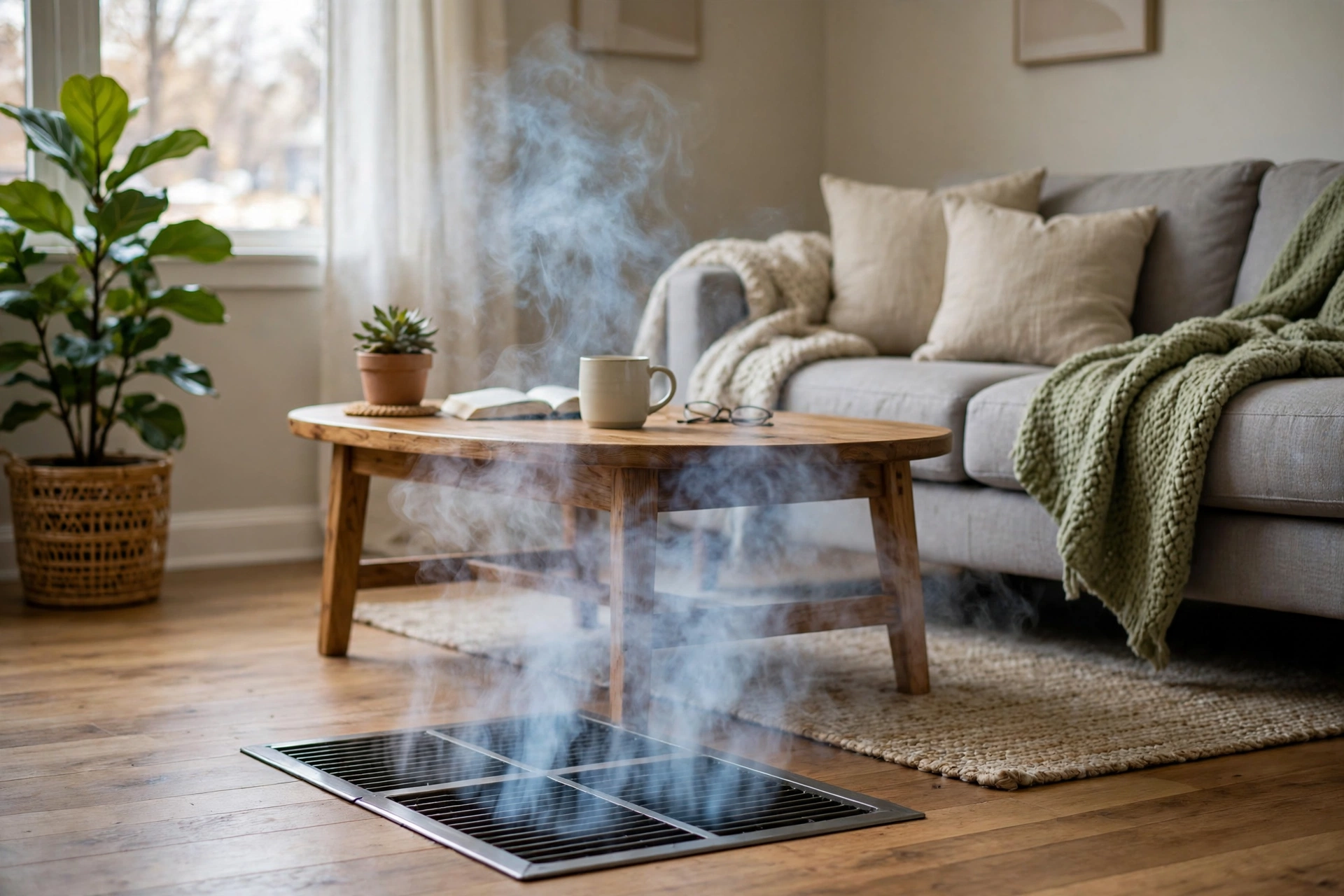
Why Your Furnace Blows Cold Air in New Hampshire Winter
A furnace may blow cool air briefly while it warms up, but steady cold air usually points to a thermostat sett…
Learn more
A furnace should run in steady cycles, warming the home, resting, and starting again when the thermostat calls for heat. When it instead starts and stops every few minutes, never quite warming the house, it is short cycling. The pattern is annoying, it leaves rooms unevenly heated, and it wears out parts faster than normal cycling does.
Short cycling is especially noticeable in a New Hampshire winter, when the furnace is expected to work hard and steadily. A system that cannot complete a full cycle struggles to hold indoor warmth through long cold nights, and the constant starting and stopping can mask a deeper problem, from airflow trouble to a safety control doing its job.
This guide explains what short cycling looks and sounds like, the causes behind it, and the steps you can safely take before calling for help. It will help you describe the pattern clearly to a technician and avoid the mistake of ignoring a symptom that usually points to a fixable problem.
Short cycling is easy to recognize once you know the pattern. The furnace starts, runs briefly, shuts off before the home reaches the set temperature, and then starts again a short time later. The cycle repeats through the day, the house never feels fully warm, and some rooms may feel warm while others stay cool, since no cycle lasts long enough to distribute heat evenly.
Listen and watch for the rhythm. A healthy furnace runs long enough to warm the home noticeably before resting, while a short cycling furnace seems restless, starting and stopping with little progress between cycles. Noting how long each run lasts, how long the rest between runs lasts, and whether the pattern changes through the day gives a technician a useful starting point for diagnosis.
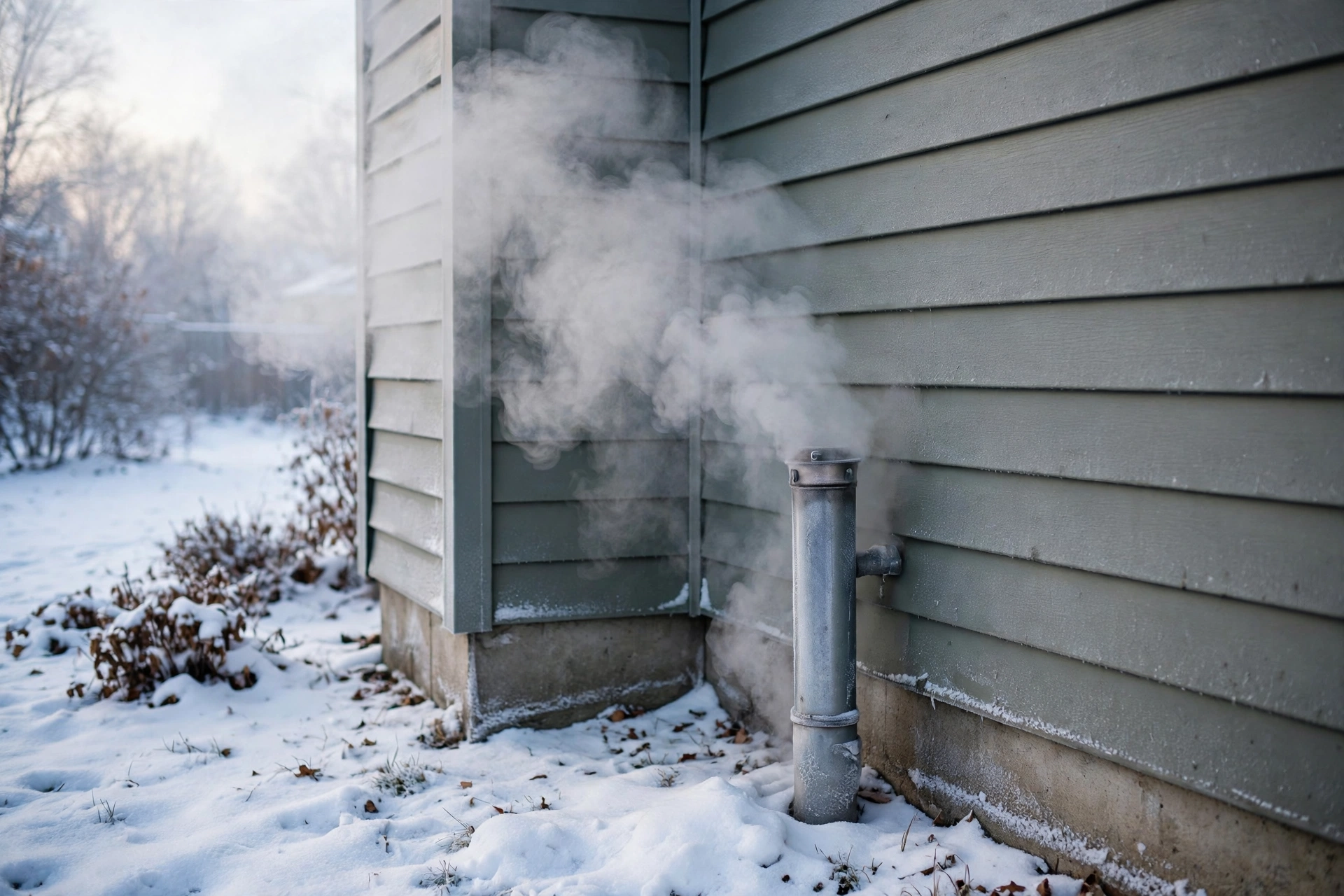
Restricted airflow is a leading cause of short cycling. A clogged filter, closed or blocked vents, or ductwork that is damaged or undersized can trap heat inside the furnace, causing the heat exchanger to overheat. A safety limit then shuts the burners down to protect the system, the blower may keep running, and the cycle restarts once temperatures fall, creating the familiar short pattern.
Start with the simplest airflow checks. Replace a dirty filter, open vents that were closed for summer, and move furniture and rugs away from returns. In older New Hampshire homes, ductwork added piecemeal over decades can also restrict airflow, and a technician can assess whether duct changes or a different filter type would let the system breathe more freely.
Thermostat placement can trick a furnace into short cycling. A thermostat near a heat source, in direct sunlight, in a drafty hallway, or above a supply vent reads a temperature that does not match the rest of the home. It may call for heat, sense warmth quickly, and shut the furnace off before distant rooms have warmed, then repeat the cycle as its own location cools again.
An oversized furnace causes a similar pattern for a different reason. A system with more heating capacity than the home needs warms the air near the thermostat quickly and shuts off, before heat has spread evenly. Oversizing is a common legacy in older homes where insulation has improved since the furnace was installed, or where an addition changed the heating load without a matching system change.
Safety controls are designed to stop a furnace when conditions become unsafe, and when a control trips repeatedly, short cycling is often the visible result. A limit switch that senses overheating, a flame sensor that loses its signal, or a blocked vent that triggers a pressure switch can each shut the burners down mid-cycle, only for the system to try again once conditions reset.
These controls are doing important work, so they should never be bypassed or ignored. If short cycling persists after airflow and thermostat checks, a technician should inspect the controls, the flame sensing parts, the venting, and the heat exchanger. The goal is to find why the control keeps tripping, not to silence the control that is warning you of a problem.
Before calling, work through the safe checks in order. Change the filter, open vents, clear returns, and check the thermostat location and settings for anything that could distort its reading. Watch the furnace through a few cycles and note run lengths, rest lengths, and whether any rooms warm while others stay cold, since that pattern helps narrow the cause.
When you call, describe the pattern rather than only the symptom. Mention how long runs last, how often the furnace cycles, what you already checked, and whether the problem started suddenly or grew worse over time. That description helps a technician arrive with a clearer diagnostic plan and shortens the visit, which matters most during a New Hampshire cold spell when every hour of uneven heat counts.
Short cycling that returns after a repair deserves a fresh look, not a repeat of the same fix. A filter change may help for a while, then cycling returns because the underlying cause, such as a duct restriction, a thermostat location problem, or a failing control, was never addressed. Keeping a note of when cycling returns, what changed, and what was tried helps a technician see the pattern instead of starting from scratch.
Ask the technician to explain the cause in plain terms, including which part or condition is triggering the shutdown and what would prevent it from happening again. A clear explanation helps you decide whether a further repair, a duct change, or a thermostat move is the sensible next step. Short cycling is a symptom with a cause, and a lasting fix addresses that cause rather than only quieting the symptom for a season.
Read the guide, then describe your furnace problem and we will help arrange the next step.
A furnace may blow cool air briefly while it warms up, but steady cold air usually points to a thermostat sett…
Learn more
A heating oil furnace burns fuel oil to heat air that ductwork carries through the home, and it needs clean fu…
Learn more
A furnace creates heat by burning fuel, while a heat pump moves heat from outside air into the home, so the be…
Learn more