Furnace Not Turning On in New Hampshire
Before calling for service, check the thermostat setting and batteries, the furnace power switch, the breaker …
Learn more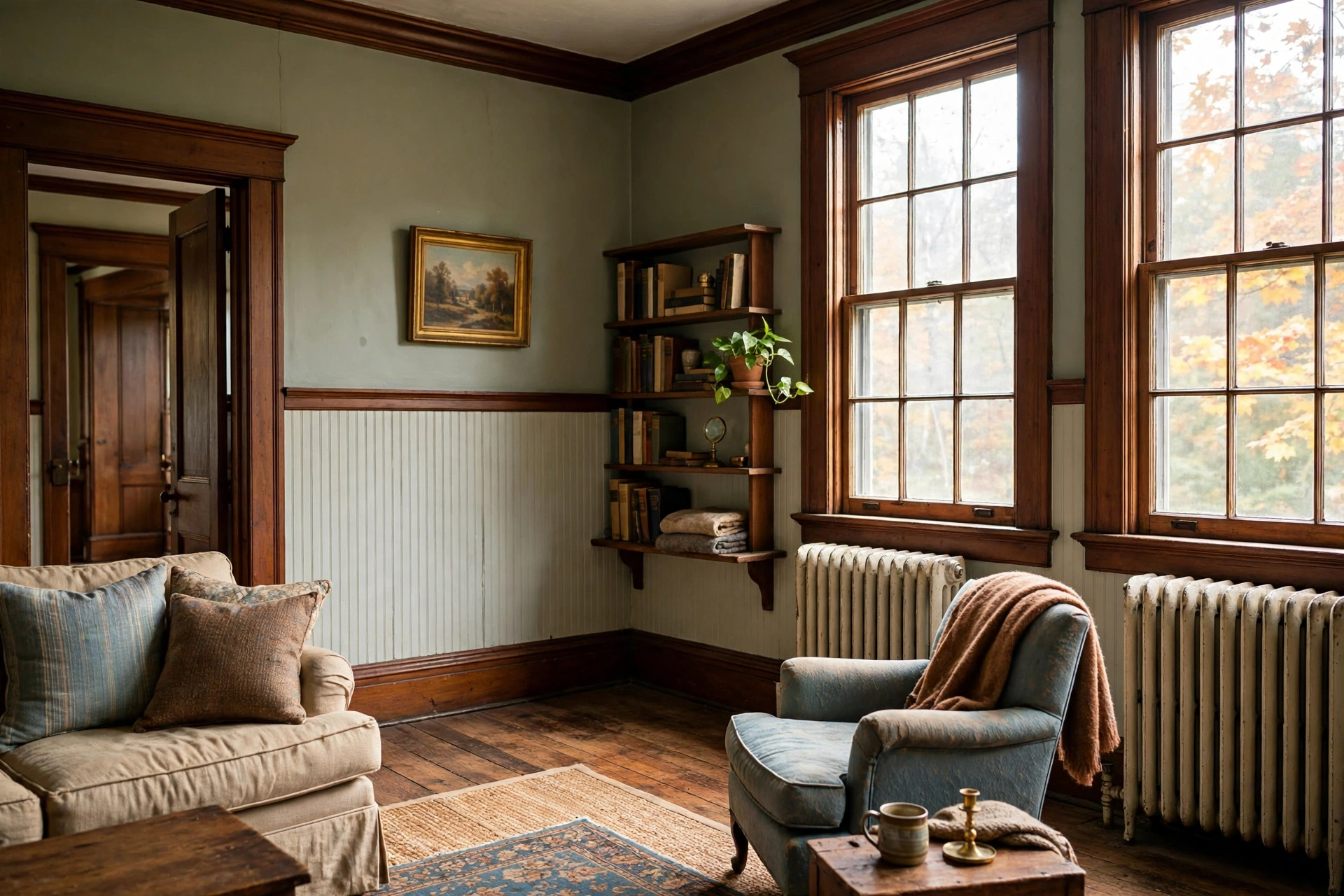
New Hampshire is full of older homes, from farmhouses and mill town colonials to lakeside cottages and village capes, and each carries its own heating personality. Thick plaster walls, tall ceilings, additions built across different eras, and original windows all shape how warmth moves through the house, and a heating approach that works in a new build may not suit an older home at all.
The challenge is rarely a single problem. Drafts slip through old window frames and wall gaps, insulation may be thin or missing in places, and rooms added over the years may sit on ductwork that was never designed for them. The furnace works hard against all of this, and the result can be a home that is warm in some rooms, chilly in others, and expensive to heat through a long winter.
This guide looks at why older New Hampshire homes heat differently, and what actually helps: draft and insulation work, furnace sizing for older layouts, care for oil heat and older chimneys, and winter habits that keep comfort steady without fighting the character of the house.
Older homes were built in eras with different materials, different expectations for indoor warmth, and different heating systems in mind. A farmhouse once heated by a wood stove and later fitted with a furnace may have ducts threaded through spaces that were never meant for them. A mill town home may have solid walls with little room for insulation, and a cottage may have been built for summer use and later pressed into year-round service.
Those histories leave their mark on comfort. Rooms may heat at different rates, stairwells may act as chimneys that pull warm air upward, and a single thermostat in a central hallway may not reflect the temperature in a far bedroom or a converted attic. Understanding your home's particular pattern, rather than expecting uniform heat everywhere, is the first step toward improving it.
Drafts are often the most rewarding problem to tackle in an older home, because sealing them is relatively simple and the comfort gain is immediate. Old windows, door frames, attic hatches, basement rim joists, and gaps where pipes and wires pass through walls all let cold New Hampshire air in and warm air out. Weatherstripping, caulking, and sealing the largest gaps first gives the furnace a fairer fight.
Insulation comes next, with attention to the places where older homes lose the most heat, such as attics, crawl spaces, and basement walls. Adding insulation is not always simple in a home with plaster walls or a stone foundation, and it is worth getting advice before filling wall cavities in a house that needs to breathe and shed moisture. A careful approach protects both comfort and the structure itself.
Furnace sizing matters more in an older home than in a new one, because layouts are irregular and heating loads vary sharply from room to room. A furnace sized for the home as a whole may still leave a far bedroom cold if ductwork does not reach it well, while a furnace sized generously may short cycle, warming the thermostat area quickly and shutting off before distant rooms catch up.
When a furnace is replaced in an older home, sizing should reflect the home as it is now, including additions, insulation work, and window changes since the old system was installed. A technician who walks the rooms, looks at the ductwork, and asks how each space is used will size more accurately than one who simply matches the old system's capacity. Room by room comfort, not just total output, is the goal.
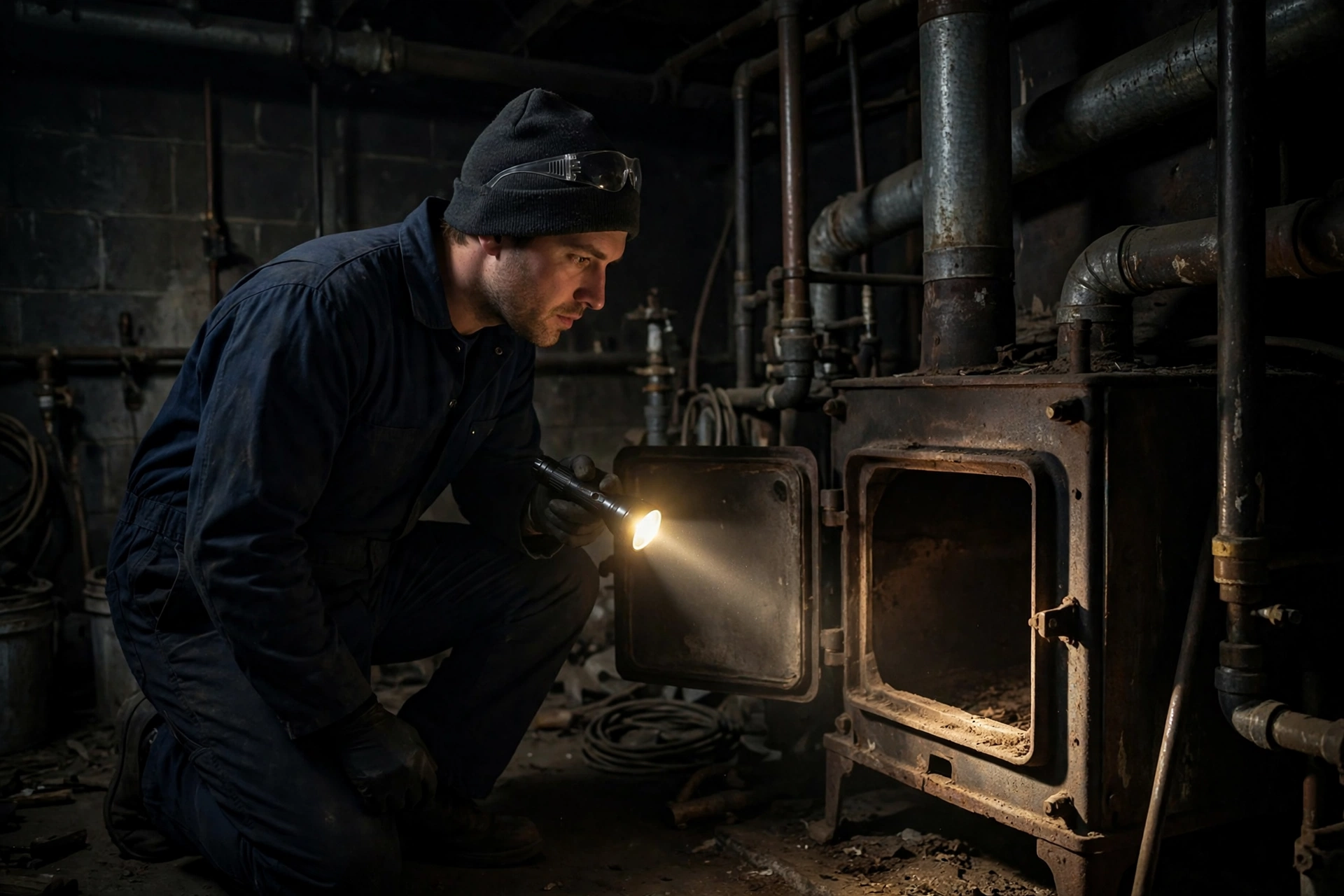
Many older New Hampshire homes heat with oil, and many of those systems vent through masonry chimneys built decades ago. Chimneys deserve winter attention, since mortar, liners, and caps wear with age and weather, and a chimney that no longer vents cleanly can affect burner performance and indoor safety. A fall inspection of the chimney and venting belongs alongside furnace service in an older oil-heated home.
Oil storage in older homes needs a watchful eye as well. Tanks may sit in basements with limited access, lines may run through cold spaces, and gauges may be hard to read. A routine of checking the gauge, watching for odors or stains, and keeping delivery timing ahead of storms prevents the midwinter surprises that older oil systems are prone to when they are left unchecked.
Daily habits make a real difference in an older home. Keep interior doors open where possible so warm air can move between rooms, rather than trapping heat in one area while another grows cold. Use curtains wisely, opening them on sunny winter days to let light warm a room and closing them at night to add a layer against cold glass. Keep vents open and unblocked, even in rooms you use less, since closing them can upset airflow and strain the furnace.
Steady temperatures help older homes more than dramatic swings. Letting the house grow cold overnight and then asking the furnace to recover quickly in the morning forces long, hard runs and leaves distant rooms lagging behind. A steadier setting through cold spells keeps walls, floors, and pipes warmer, protects the home itself, and usually feels more comfortable than a house that swings between chilly and overheated.
A technician visiting an older home benefits from a short tour and a little history. Show where rooms run cold, where drafts are worst, and where past work was done, such as an addition, a converted attic, or a duct run added years ago. That history helps the technician connect comfort complaints to the layout, rather than treating the furnace as if it sat in a new, uniform house.
Ask questions during the visit as well, including what was found, what should be watched, and what routine care the home needs through winter. Write down the answers, along with the filter size and service date, so the next visit starts with knowledge instead of guesswork. An older home rewards that kind of partnership, since its heating story is written across decades and no single visit can read it all at once.
Read the guide, then describe your furnace problem and we will help arrange the next step.
Before calling for service, check the thermostat setting and batteries, the furnace power switch, the breaker …
Learn more
Fall furnace care in New Hampshire means changing filters, clearing vents, testing the thermostat and safety c…
Learn more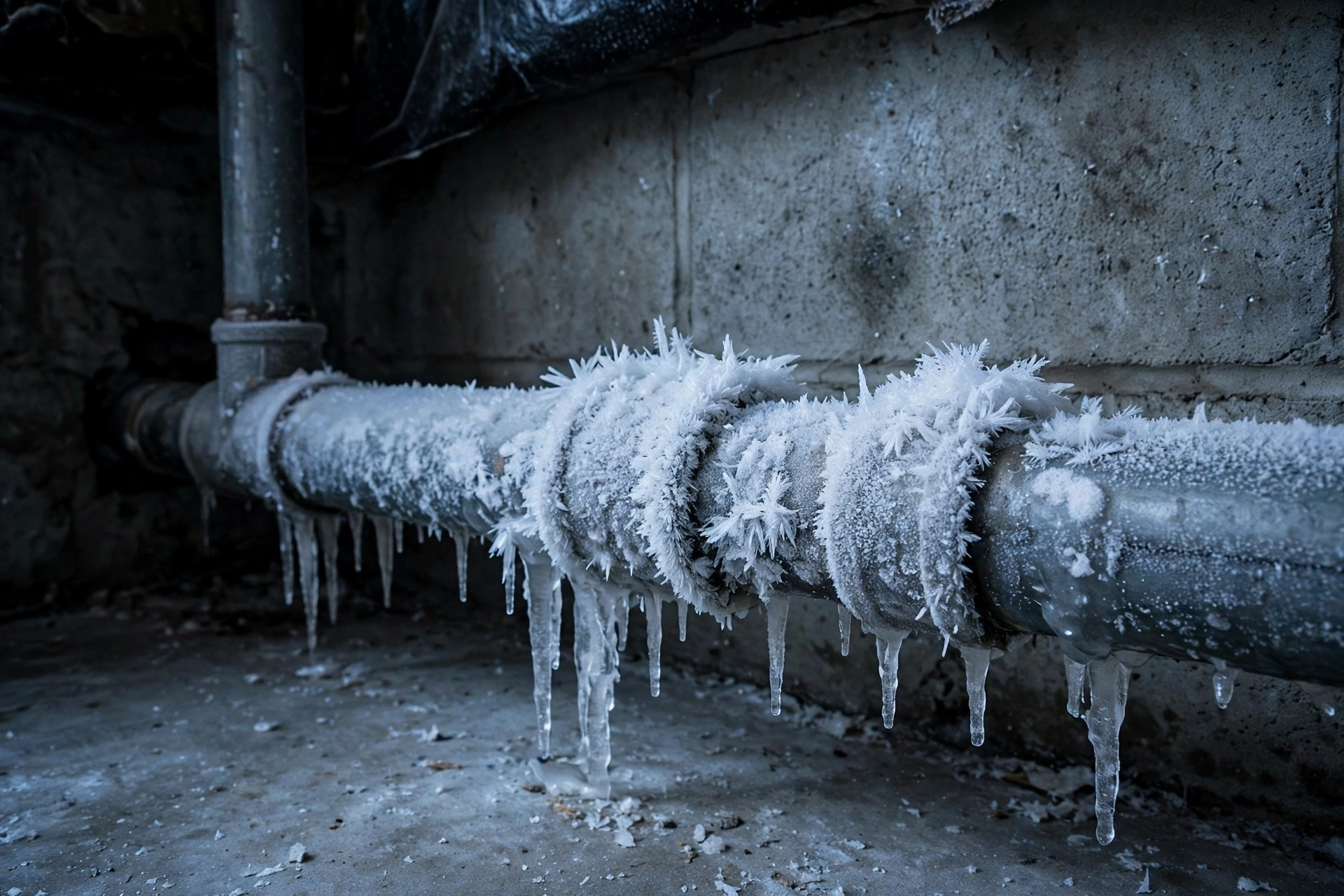
When a furnace fails in winter, indoor temperatures can fall until water in pipes freezes and expands, so prot…
Learn more