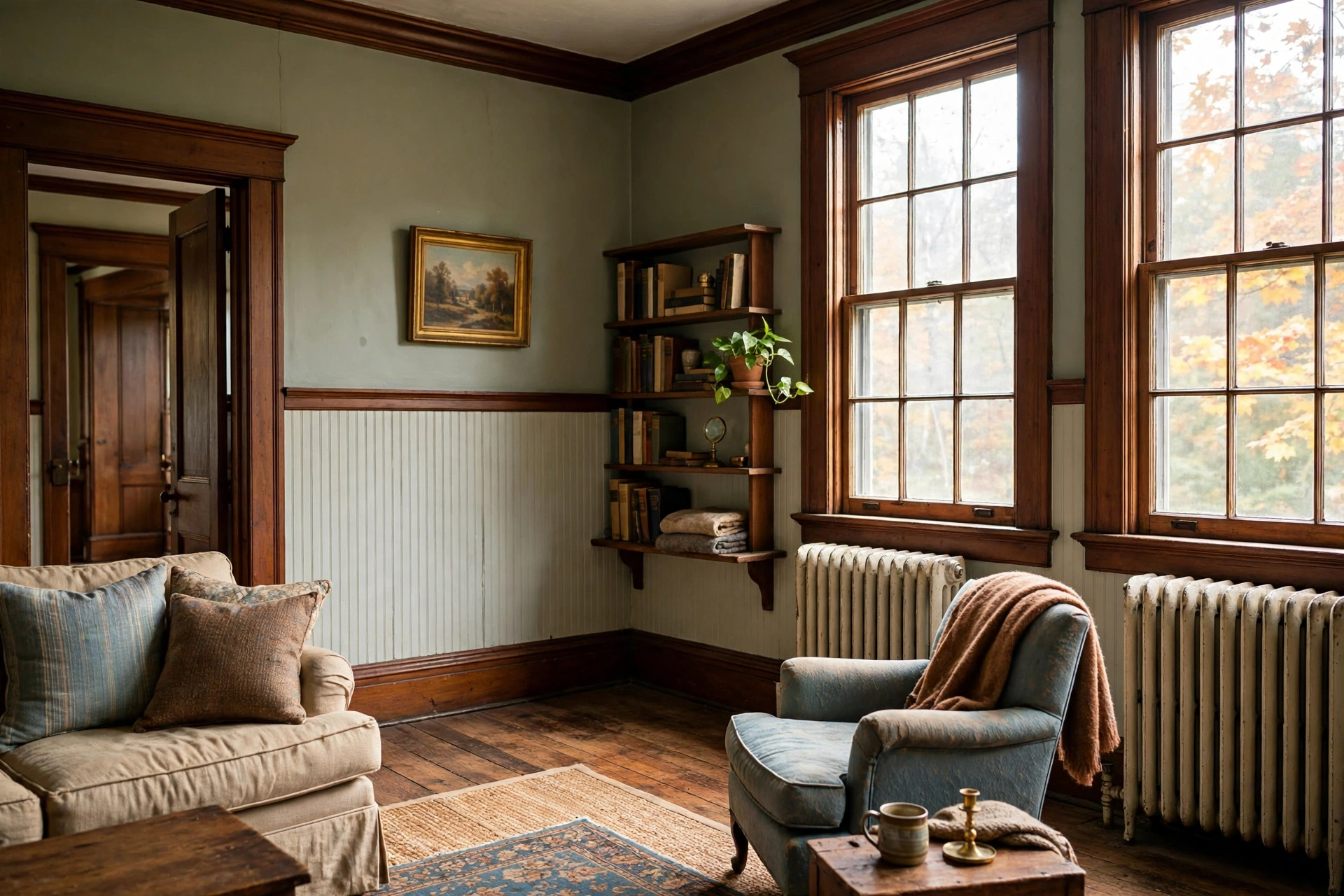
Heating an Older New Hampshire Home in Winter
Older New Hampshire homes lose heat through drafts, thin insulation, and uneven layouts, so comfort depends on…
Learn more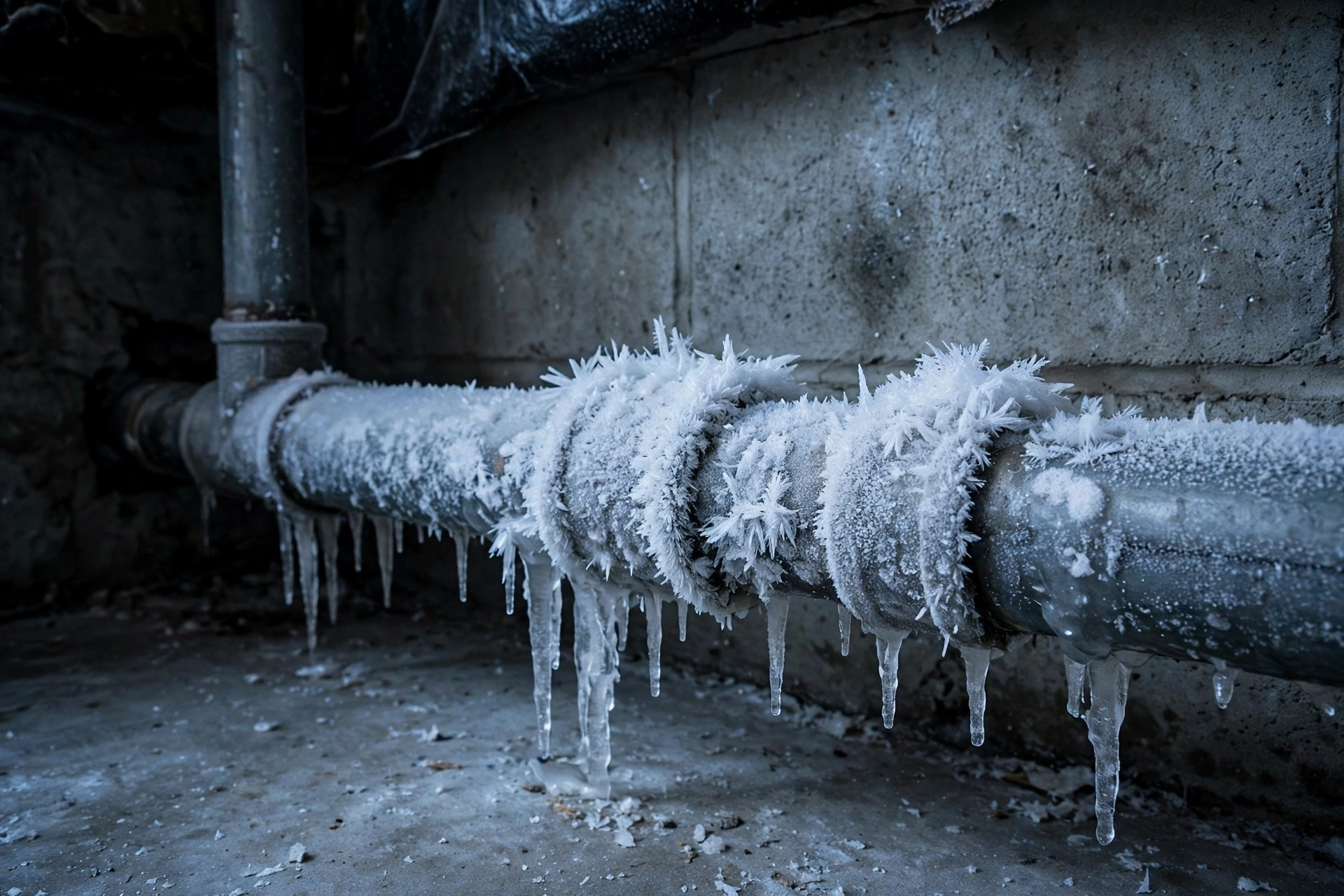
A furnace failure in a New Hampshire winter is more than a comfort problem. As indoor warmth fades, water sitting in pipes cools, freezes, and expands, and that expansion can crack pipes and fittings. When heat returns and ice thaws, water can escape through those cracks, sometimes in places you cannot see until damage has spread.
The risk is highest in pipes that run through cold parts of the home, such as exterior walls, unheated basements, crawl spaces, garages, and additions. Seasonal homes in the Lakes Region and the White Mountains face extra risk, since a failure in an empty house may go unnoticed for days, giving ice plenty of time to form and damage to grow.
This guide explains how furnace failure leads to frozen pipes, what to do first when heat stops, how to protect pipes while you wait for repairs, and what to check after heat returns. Acting quickly in the first hours can be the difference between a cold night and a flooded home.
Pipes freeze when the water inside them turns to ice, and ice takes up more space than liquid water. That expansion presses outward against pipe walls and fittings, and at a weak point, a joint, or a section already worn by age, the pipe can split. The split may not leak while the water is still frozen, which is why damage often reveals itself only after thawing begins.
Not every pipe faces equal risk. Pipes in warm interior walls with steady heat around them can survive a short outage, while pipes in cold, drafty, or unheated spaces freeze far sooner. Wind, drafts through gaps in walls, and a home that was already cool before the failure all speed the process, which is why a furnace failure during a storm deserves urgent attention even if the house still feels tolerable at first.
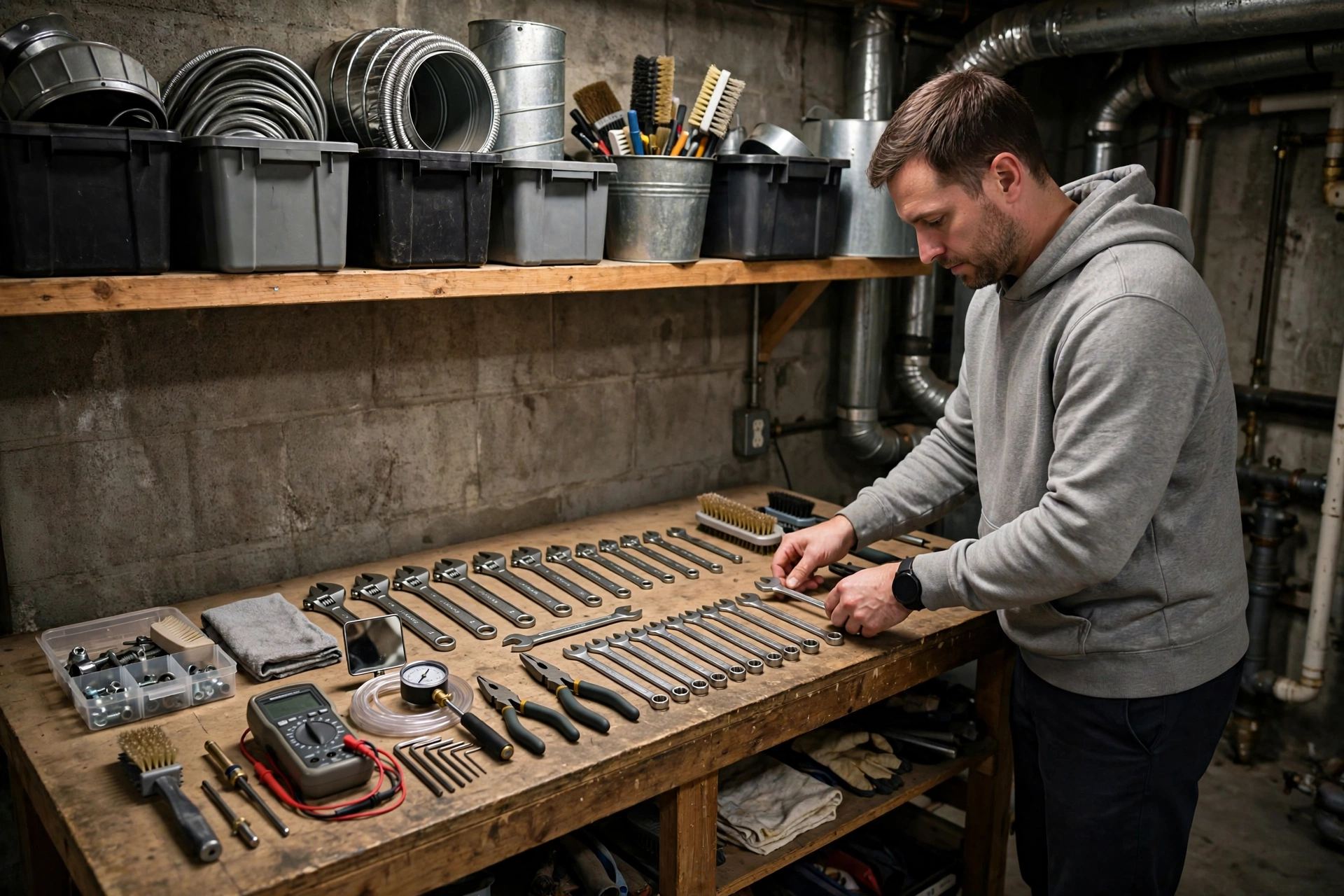
When heat stops, start with the simple furnace checks that can restore it quickly, such as the thermostat setting, the furnace power switch, and the breaker panel. If those do not help, call for service and describe the situation clearly, including that pipes are at risk, so the visit can be prioritized. While you wait, focus on holding warmth in the home.
Close off unused rooms, shut doors to rooms with vulnerable pipes only if that does not trap cold air around them, and keep interior doors open where pipes run through interior walls so warm air can reach them. If you have a safe secondary heat source, use it in the rooms where pipes are most exposed, and never use an open flame, a grill, or a generator indoors, since those create serious safety hazards.
While waiting for repairs, a few steps can buy pipes valuable time. Let faucets served by exposed pipes drip slightly, since moving water freezes more slowly than still water, and open cabinet doors under sinks on exterior walls so room warmth can reach the pipes behind them. These steps help most when some warmth remains in the home, so use them alongside efforts to hold heat.
Find your main water shutoff before you need it, and make sure everyone in the household knows where it is. If the outage looks likely to last through a deep cold spell and the house is growing cold, shutting off the water and draining vulnerable pipes may be the safer choice, especially in a seasonal home. A technician or plumber can advise on draining if you are unsure how to do it safely.
When heat returns, do not assume pipes survived simply because water flows again. Walk the home and look for damp spots, stains on ceilings and walls, puddles in basements and crawl spaces, and any smell of dampness that was not there before. Check under sinks, around washing machines, and near water heaters, since leaks often appear in places that are easy to overlook.
If a pipe is still frozen, thaw it gently with warm air from a hair dryer or a warm towel, starting near the faucet and working back, and never use an open flame. If you find a burst pipe, shut off the main water supply, open faucets to relieve pressure, and call a plumber. Even a small leak can soak insulation and framing over time, so prompt attention matters even when the damage looks minor.
Prevention starts with the furnace itself, since reliable heat is the best pipe protection a home has. Keep up with fall service, filter changes, and oil or fuel routines so the system is less likely to fail during the coldest weather. A furnace that is serviced and watched through the season is far less likely to leave you facing frozen pipes at the worst moment.
Pipe protection helps too. Insulate exposed pipes in cold spaces, seal drafts around wall penetrations, and keep a steady indoor temperature through cold spells rather than letting the house swing cold overnight. For seasonal homes, arrange regular winter check-ins by someone local who can spot a heating failure early, before a quiet problem becomes a flooded house.
After heat returns, hidden spaces deserve a careful look, since leaks often start where no one normally goes. Check crawl spaces, basements, attic corners, and the wall cavities around pipes for damp insulation, stains, warped wood, or a musty smell that was not there before. Bring a flashlight, move slowly, and look behind water heaters, washing machines, and under sinks, where a slow leak can soak framing for days before it shows in a living room.
If you find dampness, dry the area as well as you can, improve airflow, and watch it over the following days to see whether it dries or grows worse. Damp insulation and framing can develop mold over time if left wet, so a persistent damp spot is worth a professional look even when no active drip is visible. Early attention in a hidden space prevents a small thaw leak from becoming a larger repair later.
Read the guide, then describe your furnace problem and we will help arrange the next step.
Older New Hampshire homes lose heat through drafts, thin insulation, and uneven layouts, so comfort depends on…
Learn more
There is no single lifespan for a New Hampshire furnace, because long heating seasons, fuel type, installation…
Learn more
A brief dusty smell when a furnace first runs after months idle is usually harmless, but a lasting, sharp, or …
Learn more