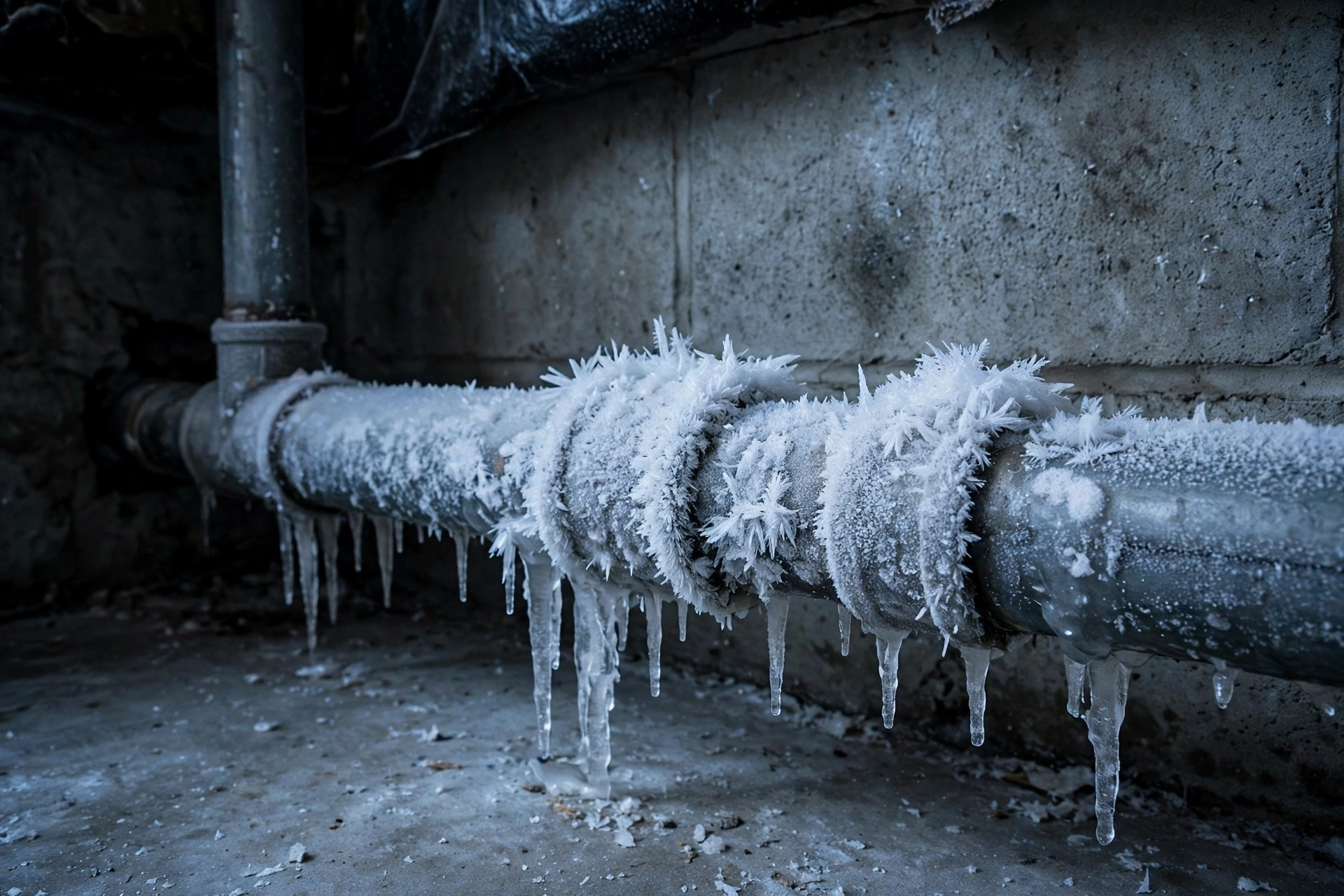
Frozen Pipes After a Furnace Failure in New Hampshire
When a furnace fails in winter, indoor temperatures can fall until water in pipes freezes and expands, so prot…
Learn more
The first cold snap in New Hampshire often brings a familiar moment: the furnace kicks on after months of rest, and a faint burning smell drifts through the vents. For many homeowners, that smell is the first sign that heating season has truly begun, and it is also the first source of worry. Is it normal dust, or is something wrong?
Most of the time, a brief dusty odor at startup is harmless, caused by dust that settled on the heat exchanger and burner parts during the warm months. It should fade as the system runs. Other smells, however, tell a different story, from overheating parts to electrical trouble to fuel problems, and those need a faster, more careful response.
This guide helps you tell the difference. It explains which smells are typical at startup, which ones deserve a closer look, and when to shut the system down and call for help rather than waiting to see if the smell goes away on its own.
During spring and summer, a furnace sits idle while dust settles inside the cabinet, on the heat exchanger, and around the burner. When the system fires for the first time in autumn, that dust burns off, producing a smell often described as dusty or slightly acrid. The odor usually appears during the first heating cycles of the season and then fades as the accumulated dust clears.
A similar effect can happen after a long mild spell in winter, when the furnace has rested for days and dust has settled again. In both cases, the key pattern is brevity: the smell appears, weakens, and disappears as the system runs normally. If the smell lingers through many cycles, grows stronger, or returns every time the furnace runs, it is no longer a simple dust story.
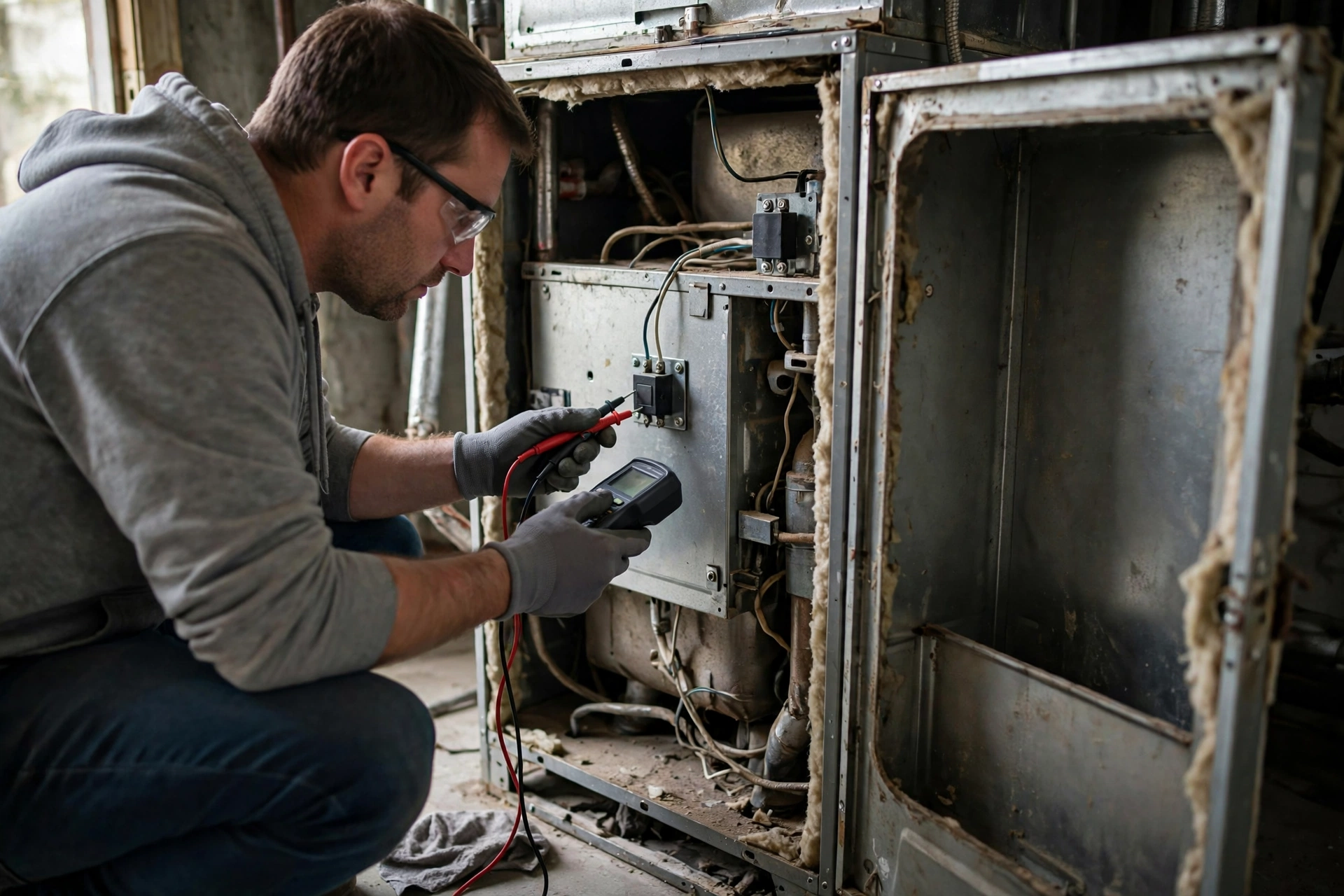
Telling dust burnoff from trouble comes down to duration, strength, and what else you notice. Dust burnoff is mild, fades within the first cycles of the season, and comes with otherwise normal furnace behavior: steady heat, normal sounds, and no visible smoke. A smell that persists, intensifies, or arrives with new noises, weak heat, or the system shutting down deserves attention.
Pay attention to the character of the smell too. A musty odor can point to dust and moisture in ductwork or a damp filter, while a sharp chemical smell or a smell like hot plastic suggests something other than dust. When in doubt, treat an unfamiliar smell as worth investigating rather than assuming it will fade, especially if anyone in the home has breathing sensitivities.
A smell like burning plastic, hot wiring, or an overheated motor is a serious warning. It can mean a motor is straining, a belt or bearing is overheating, wiring is damaged, or airflow is so restricted that parts are running hotter than designed. These problems can damage the furnace and, in rare cases, create a fire risk, so they should not be left to resolve on their own.
If you notice an electrical or overheating smell, turn the furnace off at the thermostat and, if you can do so safely, at the furnace power switch. Do not open the cabinet to investigate wiring or motors yourself. Call a technician and describe the smell clearly, including when it started and whether it grew stronger while the furnace ran.
Oil-heated homes have their own odor clues. A faint fuel smell near the tank or furnace at delivery time can be normal, but a persistent fuel odor inside the home, a smell that grows stronger, or visible stains near the tank or lines should be investigated promptly. Fuel odors can signal a leak, a burner problem, or incomplete combustion, none of which should be ignored.
A burner that puffs, rumbles, or produces soot may also create odors that drift through the home. Repeated burner lockouts, soot on the furnace front, or a flame that looks smoky during service all point to combustion trouble. If the burner locks out more than once, stop resetting it and call a technician, since repeated resets can allow unburned fuel to accumulate.
Some situations call for shutting the furnace down right away. Shut it off if you smell fuel strongly, see smoke, notice an electrical burning smell, or hear alarming noises from inside the cabinet. If you suspect a fuel leak, leave the house and call for help from outside rather than staying inside to investigate.
For less urgent but persistent smells, a service visit is still the right step. A technician can inspect the heat exchanger, burner, motor, and wiring, clean away dust and soot, and find the source of an odor that a homeowner cannot see from outside the cabinet. Describing the smell, its timing, and anything else you noticed will help the visit go faster and reach the right fix.
A furnace smell should always be considered alongside the safety alarms in your home. Smoke alarms and carbon monoxide alarms are the early warning system for problems you cannot see or smell, and they belong on every level of a home, especially near bedrooms and near the furnace area. Test them in fall, replace batteries on a schedule, and replace alarms that are past their useful life, following the guidance printed on each unit.
If an alarm sounds, treat it seriously even if the furnace seems to be running normally. Leave the house, call for help from outside, and do not re-enter until the home has been checked. Alarms can sound for reasons beyond the furnace, such as a blocked vent or a neighboring appliance, and only a proper check can tell you it is safe to return. A working alarm is a quiet guardian through every New Hampshire winter night.
Read the guide, then describe your furnace problem and we will help arrange the next step.
When a furnace fails in winter, indoor temperatures can fall until water in pipes freezes and expands, so prot…
Learn more
A furnace may blow cool air briefly while it warms up, but steady cold air usually points to a thermostat sett…
Learn more
A heating oil furnace burns fuel oil to heat air that ductwork carries through the home, and it needs clean fu…
Learn more