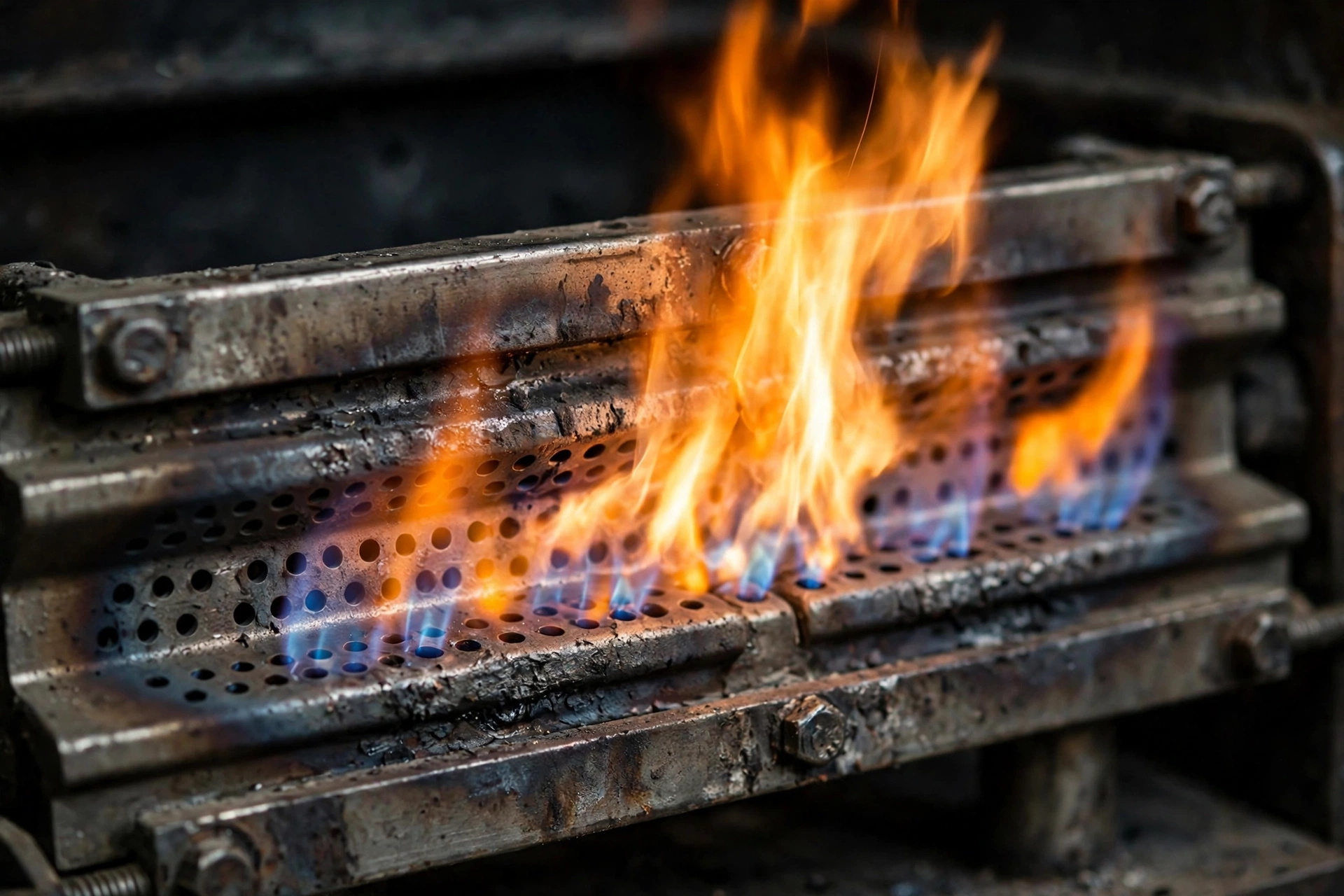
Burning Smell From Your Furnace in New Hampshire
A brief dusty smell when a furnace first runs after months idle is usually harmless, but a lasting, sharp, or …
Learn more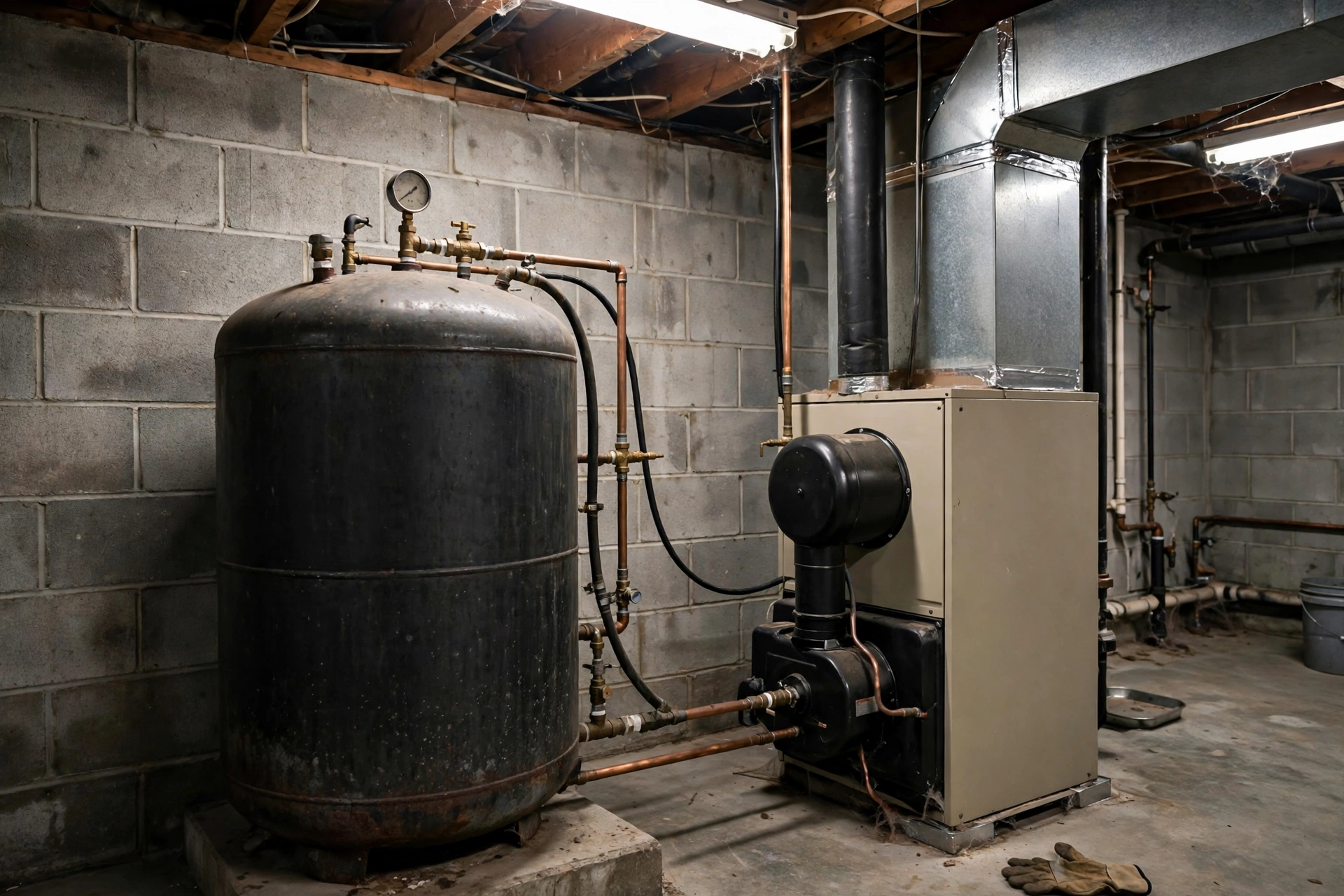
Heating oil has warmed New Hampshire homes for generations, and it remains a practical choice across much of the state, especially in rural towns and older neighborhoods beyond the reach of natural gas lines. An oil furnace is a familiar, sturdy system, but it has its own rhythms, from delivery schedules to burner cleaning, that differ from other heating options.
Understanding those rhythms helps you avoid the most common oil heat headaches, such as running low during a storm, a burner that soots up through the season, or a cold house after a tank issue. Most oil furnace trouble is preventable with steady attention through the heating season, rather than dramatic fixes after a failure.
This guide explains how an oil furnace works, how to keep oil storage and delivery on track, what signs of trouble to watch for, and how to plan ahead for winter. Whether you have heated with oil for years or you just moved into an oil-heated home, it will help you run the system with confidence.
An oil furnace starts with a burner that sprays a fine mist of fuel oil into a combustion chamber, where it ignites and heats a metal heat exchanger. A blower then pushes household air across that exchanger and through ductwork to the rooms of the home. The thermostat calls for heat, the burner fires, and the cycle repeats until the home reaches the set temperature.
Several parts keep this process clean and safe, including the nozzle that shapes the fuel spray, the ignition parts that light it, the filters that catch sediment, and the safety controls that shut the burner down if flame is lost or temperatures climb too high. When any of these parts wear or clog, combustion becomes less clean, heat output drops, and the system may lock out until it is serviced.
Oil storage deserves attention before winter and through it. Outdoor tanks face New Hampshire cold, snow, and damp, while indoor tanks in basements still need clear access and a watchful eye for leaks or odors. Keeping the tank from running low matters, because a near-empty tank can draw sediment into the fuel lines and starve the burner, which often leads to a lockout at an inconvenient time.
Delivery planning is part of winter readiness too. Storms can delay trucks, roads can close, and demand peaks during cold spells, so ordering before the tank runs low is wiser than waiting for a warning. A simple routine of checking the gauge on a set day each week through winter, and ordering with room to spare, prevents most delivery emergencies.
An oil furnace usually warns you before it fails outright. Soot around the burner or on the furnace front, a burner that needs frequent resets, rumbling or puffing sounds at startup, and a home that warms more slowly than usual are all signs worth taking seriously. A strong fuel smell, especially one that grows stronger, should never be ignored.
Other clues include a flame that looks smoky or uneven during service, a filter that clogs quickly, and a system that locks out repeatedly. Repeated resets without fixing the cause can allow unburned fuel to accumulate, so if the burner locks out more than once, stop resetting it and call a technician to find the underlying problem.
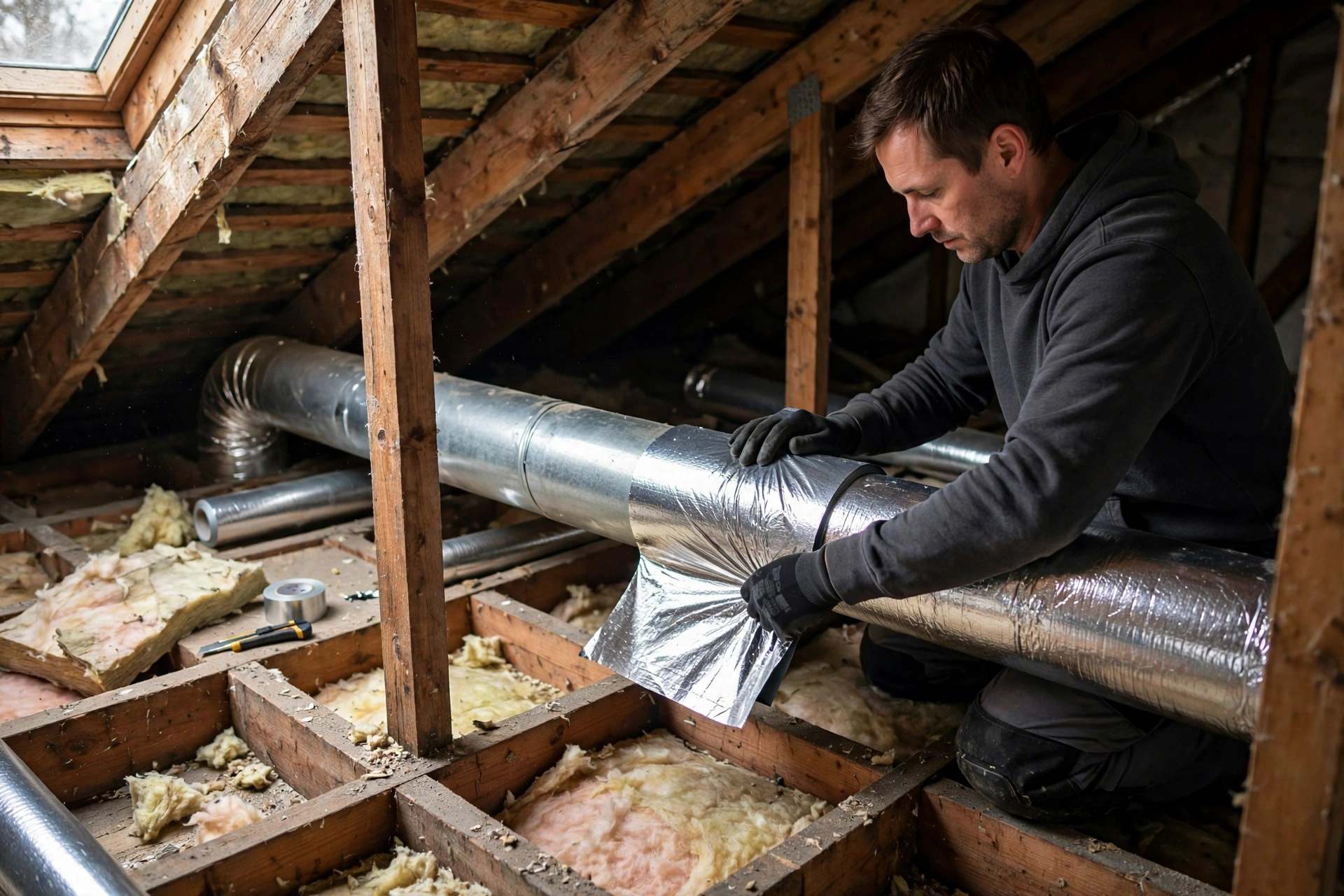
Through a New Hampshire winter, a few steady habits keep an oil furnace running well. Change or clean filters on schedule, keep vents and returns unblocked, and listen for changes in startup sounds or run patterns. A yearly service visit before the heating season is the most important habit, since it includes burner cleaning, nozzle and filter replacement, and checks of ignition, safety controls, and the heat exchanger.
Seasonal homes in the Lakes Region and the White Mountains need extra thought. A furnace left to run at a low setting through winter still needs fuel, power, and a clear vent, and a home left empty for weeks should have someone checking on it. A small problem in an empty house can become a frozen pipe disaster before anyone notices, so regular check-ins during cold weather are essential.
Planning ahead turns oil heat from a source of winter worry into a routine. Before autumn, arrange service, confirm the tank and lines are in good shape, and think through delivery timing for the season. During winter, keep the gauge routine, watch for trouble signs, and keep a clear path to the furnace and the tank so service can happen quickly if needed.
If your oil furnace is aging, use a mild season to talk through options rather than waiting for a midwinter failure. A technician can assess the burner, heat exchanger, and overall condition, and help you understand whether steady upkeep will carry the system through more winters or whether replacement planning should begin. Either way, the conversation is calmer when the house is warm.
An aging oil furnace deserves a conversation before it becomes an emergency, and a technician can give you that conversation with facts from your own system. Ask about the burner condition, the heat exchanger, the state of the tank and lines, and whether repairs are addressing a root cause or only a symptom. Those answers, taken together, say more about remaining life than age alone ever could.
Bring your own observations to that conversation as well, including how evenly rooms heat, how often the burner locks out, and whether fuel use seems to have changed. A technician who hears those details can connect them to what is found inside the furnace, and can help you plan the next step on a calm timeline, rather than during a cold night when every decision feels rushed.
Read the guide, then describe your furnace problem and we will help arrange the next step.
A brief dusty smell when a furnace first runs after months idle is usually harmless, but a lasting, sharp, or …
Learn more
Short cycling usually traces to restricted airflow, a thermostat problem, an oversized furnace, or a safety co…
Learn more
Before calling for service, check the thermostat setting and batteries, the furnace power switch, the breaker …
Learn more